Medicated Mattress: Sleep Health & Allergy Guide 2025
Start here: what “medicated” really means
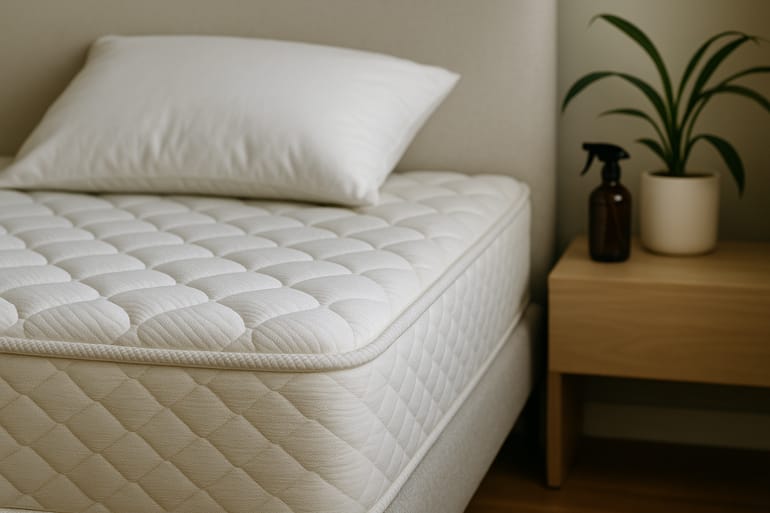
A “medicated mattress” sounds clinical, but the term isn’t a medical designation. When you see a product marketed as a medicated mattress or topper, it usually refers to antimicrobial treatments, hypoallergenic materials, or skin-friendly fabrics—not a mattress that treats disease. A medicated mattress, in common usage, aims to support sleep health by limiting microbes and allergens that can disrupt rest.
What you can expect
- Antimicrobial textiles that inhibit bacterial growth on the fabric surface
- Hypoallergenic fills and foams that reduce common irritants
- Removable, washable covers to help manage dust and sweat
What it doesn’t mean
- It doesn’t diagnose, treat, or cure conditions
- It isn’t a substitute for medical care or allergy management
If you’re considering a medicated mattress or a mattress topper for allergen relief, focus on the specific claims: Is the fabric treated? Which microbes are targeted? Is there third‑party testing? Understanding these details helps you distinguish meaningful benefits from marketing language. Pairing breathable materials, a tight-weave cover, and regular care (washing encasements hot, vacuuming the sleep surface) can deliver more consistent results than any single “medicated” label alone.
Medicated vs antimicrobial vs hypoallergenic: key differences
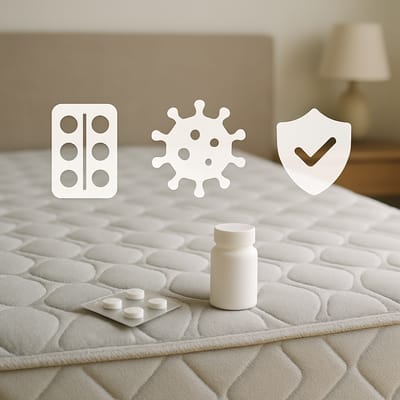
These terms often get mixed together, but they’re not the same—and knowing the difference helps you choose wisely.
Definitions at a glance
- Antimicrobial: Fabrics or foams treated to inhibit the growth of bacteria, mold, or mildew on the product’s surface. This supports freshness and odor control, not clinical sterilization.
- Hypoallergenic: Materials less likely to trigger allergic reactions. Tight-weave covers, inert foams, and low‑shedding fibers help minimize exposure to common irritants.
- Medicated (marketing): A broad, non‑standard claim often describing either antimicrobial or hypoallergenic features. Always look for the specific mechanism and evidence.
How it applies to sleepers
- Allergy‑prone sleepers benefit most from barrier fabrics, washability, and dust‑mite controls.
- Warm sleepers should prioritize breathable covers and moisture management to limit odor‑causing microbes.
- If you share a bed, antimicrobial covers can help keep the sleep surface fresher between washes.
Bottom line: Treat “medicated” as a signal to dig deeper. Ask which microbes are covered, whether the effect is durable through washing, and how the product supports allergen reduction alongside basic hygiene and care.
How antimicrobial technologies work in bedding
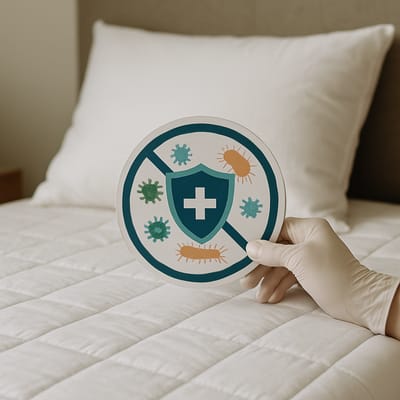
Antimicrobial bedding uses treatments or inherently resistant materials to slow microbe growth on the textile surface. Common approaches include silver‑based finishes, quaternary ammonium compounds (quats) bound to fibers, or inherently resistant fibers and foams. These are designed for odor control and freshness, not medical sterilization.
Durability and safety
- Performance depends on application method and wash cycles; some finishes fade over time.
- Look for claims like “effective after X washes” and references to standardized tests (e.g., ISO 20743 or ASTM methods) for on‑fabric efficacy.
- Modern finishes are formulated for consumer safety when used as directed. Legacy chemicals like triclosan are widely phased out in bedding.
What antimicrobial isn’t
- It doesn’t remove allergens like dust‑mite droppings; that’s an allergen control issue.
- It won’t replace good hygiene, ventilation, and regular laundering.
If you want an antimicrobial mattress or topper, pair it with washable encasements, breathable construction, and a cleaning routine. That combination supports sleep health more consistently than a single treatment alone.
Allergen relief: materials, barriers, and practical care
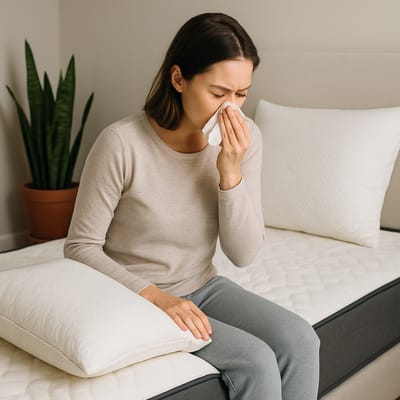
For allergy‑prone sleepers, the goal is to reduce exposure to triggers like dust mites, pet dander, and molds. Hypoallergenic choices focus on low‑shedding fibers, inert foams, and tight‑weave barrier covers that block particles while staying breathable.
What helps most
- Use a full mattress encasement with a pore size under ~10 microns to deter dust mites.
- Choose a topper or pad with a removable, washable cover; launder bedding hot (130°F/54°C) weekly.
- Keep humidity around 40–50% and ventilate the bedroom to limit mold growth.
- Vacuum the mattress surface with a HEPA filter and rotate the mattress regularly.
Material notes
- Smooth, tightly woven fabrics (percale or microfiber) shed less and trap fewer particles.
- Latex and memory foams don’t harbor mites like loose fiber fills can, but they still need clean covers.
An “allergen relief mattress” works best as part of a routine: barrier encasements, hot washes, room ventilation, and consistent cleaning. Combine these steps with any antimicrobial features to support long‑term sleep comfort.
Buying guide: verify claims and check certifications
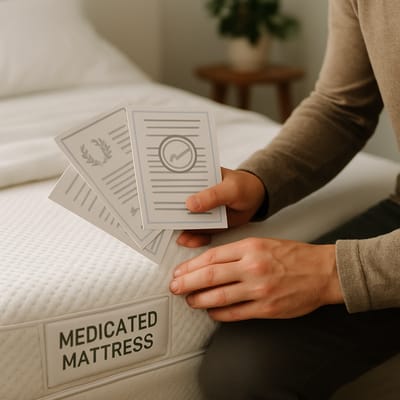
Marketing terms are easy to print; evidence isn’t. Before you buy a medicated mattress or topper, verify specifics and look for recognized certifications.
What to look for
- Clear claim language: Which microbes? Odor control vs. hygiene? Wash‑durability stated?
- Test references: Mentions of ISO 20743/18184 or comparable methods indicate on‑fabric testing.
- Chemical disclosure: A simple statement of the active ingredient and its role.
- Material safety: Labels like OEKO‑TEX Standard 100 (textiles), CertiPUR‑US (foam content), or GREENGUARD Gold (low emissions) support safer indoor air.
Quick checklist
- Is the treatment bound to the fabric, and how many washes is it rated for?
- Are hypoallergenic claims backed by barrier pore size or material specs?
- Does the product include a removable, washable cover?
- Are there third‑party certifications relevant to the material and claim?
When a product backs up its “medicated” or antimicrobial claims with specific test methods, clear materials info, and practical care guidance, you’re far more likely to see real‑world benefits for sleep health.
Debug Information (Development Only)
Debug Information
Article: Medicated Mattress 101: What It Means for Sleep Health
Decision Metadata
- Decision UUID: 2e7c677a-0098-43f7-934e-4819a46207f1
- Timestamp: 2025-12-08T13:47:44.377464
- Confidence: 0.8649873417721519
- Opportunity Score: 0.7
Content Strategy
- Content Gap: Gap in Mattress Types & Features coverage
- Themes:
- Commercial Level: N/A
Cluster Information
- Cluster IDs: 9142ec1ce2609710c4811c1560bfbf13
- Cluster Names: Mattress Topper Cluster
Generation
- Model: N/A
- Generated At: N/A