Mattresses: Types, Sizes & Buying Guide for UK 2026
Breadcrumb
How do you choose the right mattress for your home?
Buying a mattress is a rare purchase with daily impact. The right one supports your sleep, fits your room, and lasts long enough to justify the cost. The wrong one can cause aches, overheat at night, or make your bedroom feel cramped.
This cornerstone guide gives you a clear overview of the major decisions: sizing, materials, firmness, budgeting, and the practicalities that most people only discover after delivery day (like access routes and bed-base compatibility). It’s written for UK shoppers, but the planning principles apply anywhere.
If you want to start with the simplest, highest-impact choice, begin with size. A mattress that doesn’t fit your frame or room will never feel “right,” even if the comfort is great. Our hub on mattress Sizes walks through common dimensions, planning tips, and how to avoid sizing confusion.
Design-minded shoppers often want a bed that looks balanced as well as comfortable. Small-space homeowners need layout-first thinking, not just a bigger mattress. And if you’re a non-brand buyer comparing deals, focusing on specs and policies (not logos) helps you get value without surprises.
What mattress size should you buy (and what actually fits)?
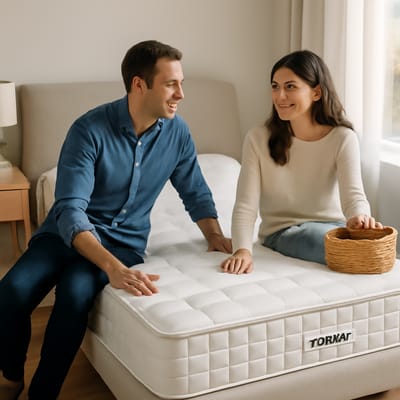
Size is the foundation because it affects everything else: comfort for couples, room circulation, bedding costs, and even whether a mattress can be manoeuvred into your home.
Think in three measurements, not one
- Mattress width and length: the sleep surface dimensions.
- Frame footprint: bed frames add extra centimetres, especially upholstered styles and headboards.
- Clearance around the bed: walkways, door swings, and storage access.
Room-fit rules that prevent regret
Most bedrooms feel more usable when you protect:
- 60–70 cm on the main access side
- 45–60 cm on the secondary side (if used)
- ~60 cm at the foot if you need to open drawers or move comfortably
If you’re unsure where to start, mattress Sizes gives a UK-focused size chart and practical layout guidance. It’s especially helpful if you’re weighing a double against a king in a smaller room.
Upcoming size-focused guides will also cover topics like UK double sizing (including 135x190 cm), how to measure bed frames accurately, and how to compare “double vs queen” style decisions when space is tight.
Mattress materials and builds: what changes the feel most?
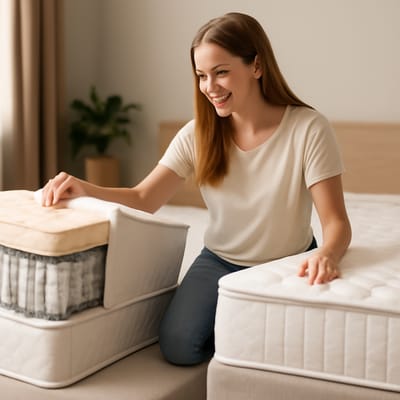
Two mattresses can share the same size and firmness label yet feel completely different because materials control pressure relief, bounce, temperature, and motion transfer.
The main build types you’ll see
- All-foam: often great for pressure relief and motion isolation; heat management varies.
- Springs (innerspring/pocket spring): typically more responsive with stronger airflow; feel depends on spring count, gauge, and comfort layers.
- Hybrid: combines springs with foam layers; often aims for balanced support and comfort.
Key features that matter in daily use
- Pressure relief: important for side sleepers and anyone with shoulder/hip sensitivity.
- Edge support: helpful if you sit on the bed edge to get dressed, or share a smaller size.
- Temperature control: influenced by covers, foams, airflow, and your room environment.
Non-brand mattress buyers can find excellent quality here, but it’s worth insisting on clear specs (layer descriptions, foam densities when provided, spring type, cover materials) rather than relying on vague marketing terms.
If you like comparing options visually, upcoming guides will go deeper on materials comparisons, including memory foam vs springs vs hybrids, and what to prioritise for different sleep styles.
How firm should your mattress be? Use your sleep style
Firmness is personal, but you can make the choice easier by matching it to your body weight, sleeping position, and comfort goals.
A practical way to interpret firmness
- Side sleepers usually need more cushioning for shoulders and hips.
- Back sleepers often prefer balanced support that keeps the spine neutral.
- Front sleepers typically do better with firmer support to avoid hip sink.
What “support” really means
A mattress can feel soft on top and still be supportive if the deeper layers prevent excessive sink. Conversely, an overly firm mattress can create pressure points and restless sleep.
Common pain points (and what helps)
- Waking with lower-back stiffness can point to inadequate support or an unsuitable base.
- Numb arms/shoulders often suggests too much pressure or not enough surface compliance.
- Overheating may relate to comfort layers and bedding choices as much as the mattress core.
Interior/design enthusiasts sometimes choose a mattress based on how tall it looks with a frame and headboard. That’s valid, but remember that thicker isn’t always better. Depth can affect how you get in and out of bed and whether fitted sheets stay secure.
Buying a mattress in the UK: budget, trials, and smart comparisons
Once you’ve narrowed your size and preferred feel, the “best mattress” is usually the one with honest specs and terms that match your risk tolerance.
What to compare before you click buy
- Trial length and returns: confirm who collects, what condition is required, and any fees.
- Warranty: look for clarity on sag tolerances and what counts as a defect.
- Delivery method: boxed vs flat delivery affects access and setup.
- Base compatibility: slats, divans, and adjustable bases can change performance.
Budget expectations (high level)
Prices vary by size and materials, but you can think in bands:
- Budget: entry-level comfort; scrutinise construction and policies.
- Mid-range: often the best balance of durability and performance.
- Premium: pays for advanced materials, stronger support systems, and refined comfort.
Small-space homeowners should also factor in opportunity cost. Sometimes a slightly smaller mattress plus better storage (like an ottoman base) improves the room more than maximising width.
If you prefer a guided path, mattress Sizes is a strong next step. It helps you lock in dimensions before you compare features and prices across retailers.
FAQ: mattresses, sizing, and choosing what to buy
What’s the best mattress for most people?
There isn’t one best mattress for everyone. The best choice matches your size needs, sleep position, comfort preference, and budget, with a good trial and transparent returns.
Where should I start: size or firmness?
Start with size because it determines room fit, frame compatibility, and whether a mattress is practical to live with. Then choose firmness based on sleep position and how your body feels in the morning.
What mattress size works best for a small bedroom?
A size that preserves comfortable walkways and doesn’t block storage access usually works best. Small doubles and doubles are common solutions, but layout and frame footprint can matter more than the label.
How do I choose a mattress that looks good in a design-focused bedroom?
Match the bed’s visual scale to the wall and keep clearances consistent where possible. A slimmer frame, coordinated bedside pieces, and wall-mounted lighting can make the bed feel intentional without needing more floor space.
Can I buy a non-brand mattress and still get good quality?
Yes, if you focus on construction details, clear sizing in centimetres, and strong trial/returns terms. Avoid listings that rely on vague claims without explaining materials and support design.
Do more expensive mattresses always last longer?
Not always. Price can reflect better materials and build, but durability depends on construction quality, how it’s used, and whether it’s matched to the right base and sleeper weight.
Are mattress sizes standard across the UK and Europe?
Not fully. UK size names don’t always match European dimensions, especially for “double” sizes. Always confirm the exact width and length in cm before buying.
What’s the biggest mistake people make when buying a mattress?
They buy based on a quick in-store feel or an online deal without checking fit, base compatibility, and returns. Confirm dimensions, plan the room, and choose terms that protect you if it isn’t right at home.