Types of Mattress: UK Buying Guide 2026
Breadcrumb
What are the main types of mattress in the UK?
Choosing between the main types of mattress can feel harder than it should. In the UK, shoppers are faced with foam, memory foam, hybrid, pocket sprung, latex, and orthopaedic-style options, all promising better sleep. The challenge is not finding choice. It is understanding which mattress type actually fits your body, bedroom, and budget.
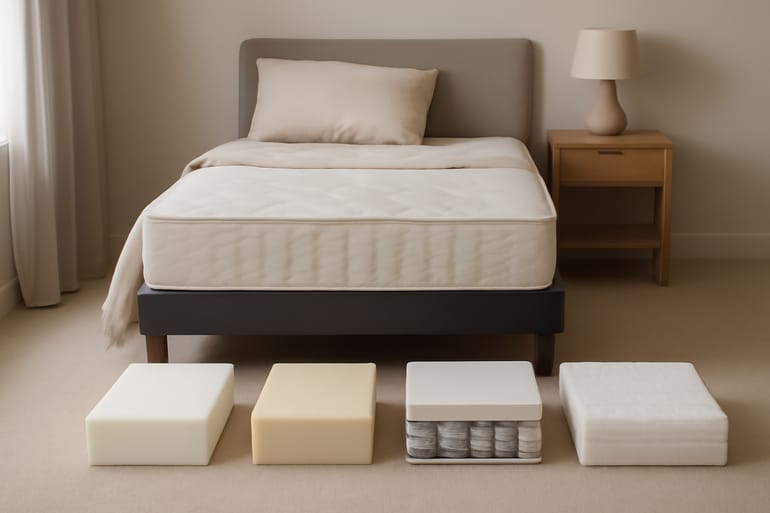
Each category has a different feel and a different strength. Memory foam is known for contouring pressure relief, pocket sprung mattresses for responsive support, latex for bounce and breathability, and hybrid mattresses for combining springs with foam comfort layers. Some designs suit hot sleepers better, while others help more with motion isolation or pressure points.
For first-time buyers, the main obstacle is often knowing which claims matter and which are just sales language. Budget-conscious shoppers may be comparing lifespan against upfront cost, while sleep enthusiasts often want more detail on materials, firmness, and support performance. Home furniture buyers also need to think about practical issues such as room size, bed frame compatibility, and how often the mattress will be used.
This category page gives you a broad overview of the major mattress types, how they compare, and what to look for before buying. It is designed to help you narrow the field before you dive into more specific guides on materials, firmness, dimensions, care, and side-by-side comparisons.
How do foam, sprung, latex, and hybrid mattresses differ?
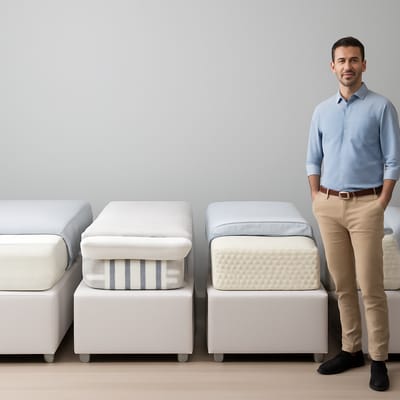
The biggest differences between mattress types come down to feel, support, airflow, and movement. That is why two mattresses with a similar price can perform very differently once you sleep on them for a week.
Foam mattresses usually offer a quieter, more cushioned surface. Within that category, memory foam tends to contour most closely around the body, which can be especially appealing for side sleepers or couples who want less movement transfer. Other foam constructions may feel firmer, cooler, or more responsive depending on the materials used.
Pocket sprung mattresses rely on individually wrapped springs that react independently. They often feel more buoyant than full-foam models and can provide reliable support across a wide range of sleep styles. Latex mattresses are commonly chosen for their springier surface and stronger breathability. Hybrid mattresses aim to blend the strengths of both foam and springs, offering a balance of cushioning, airflow, and edge support.
A quick comparison looks like this:
- Memory foam: strong pressure relief and motion isolation
- Pocket sprung: classic support with more bounce
- Latex: responsive feel with better airflow
- Hybrid: balanced mix of comfort and support
- All-foam: quieter feel with fewer moving parts
The best option depends on what bothers you most with your current bed. If you wake with pressure discomfort, one type may help more. If you overheat or struggle to move easily, another may be the better fit.
Which mattress type is best for comfort, cooling, and support?
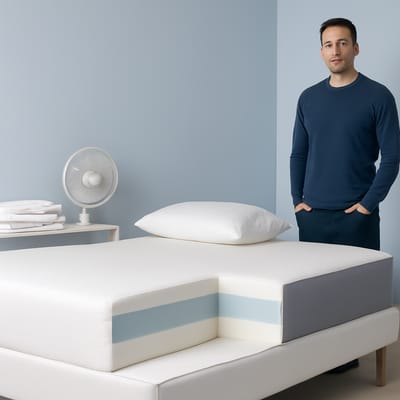
There is no universal winner, because comfort is highly personal. Still, certain patterns are consistent enough to guide your shortlist. If you want close contouring and softer pressure relief, memory foam often stands out. If cooling is a top priority, latex and many hybrid designs tend to perform better. If you want a more traditional lifted feel, pocket sprung mattresses remain popular.
Support is not only about firmness. It is about how evenly the mattress keeps your spine aligned in your usual sleeping position. A mattress can feel soft on top and still support you well if the layers underneath are strong enough. That is one reason why material quality matters as much as mattress type.
To compare support and comfort more clearly, think about:
- Sleeping position and where you carry pressure
- Body weight and how deeply you sink into the mattress
- Heat sensitivity in your bedroom environment
- Ease of movement during the night
- Partner disturbance if you share a bed
For sleep enthusiasts, details like layer construction and responsiveness can shape the decision. For first-time buyers, a simpler rule often works better: identify your biggest sleep complaint first, then choose the mattress type most likely to solve it. If your main issue is overheating, start there. If it is aches, movement transfer, or lack of support, let that lead the comparison instead.
How do price, durability, and value change by mattress type?
Price ranges can overlap, but value for money depends on how long the mattress stays comfortable and supportive in real use. A low upfront price can look appealing, especially to budget-conscious shoppers, but it may not be the smartest buy if the materials break down quickly.
All-foam and memory foam mattresses often offer accessible entry prices, especially in bed-in-a-box formats. Pocket sprung models can range from basic to premium depending on spring count and comfort layers. Latex usually sits higher in the market because of its feel and durability reputation. Hybrids often cover the broadest price spread, from affordable mixed-construction beds to premium models with advanced support systems.
When comparing value, look beyond the sale banner and check:
- Material transparency and layer details
- Trial period and return terms
- Warranty length and exclusions
- Expected durability for the price band
- Whether the mattress solves your main sleep problem
A guest room mattress, for example, may not need the same long-term performance as the bed you use every night. Likewise, home furniture buyers fitting out a main bedroom may benefit more from a dependable mid-range mattress than the cheapest available option. In many cases, the sweet spot sits in the middle of the market, where you get better materials without paying luxury prices for features you may never notice.
What should UK shoppers check before buying any mattress?
No matter which mattress type interests you most, a few buying checks can prevent expensive mistakes. In the UK, the practical side of ownership matters almost as much as comfort. A mattress can test well in theory and still disappoint if it does not fit your room, frame, or sleep habits.
Start with the basics:
Size and fit
Always confirm the mattress dimensions against your bed frame and bedroom layout. This becomes even more important when comparing standard UK sizes with imported products.
Firmness and sleep position
Your sleeping position changes what “medium” or “firm” will feel like. Side sleepers often want more pressure relief, while back and stomach sleepers may need steadier support.
Temperature and ventilation
If your room traps heat, cooling performance should carry extra weight in your decision.
Trial period and returns
A home trial gives you time to assess comfort properly. This matters because many mattresses feel different after several nights than they do in a quick test.
Care and longevity
Rotation guidance, supportive bed bases, and general care all influence how long the mattress performs well.
Several related topics often deserve their own deeper reading, including memory foam versus latex versus hybrid buying decisions, gel-infused memory foam in Britain, mattress firmness for different sleep positions, UK mattress sizes, and memory foam care in the UK climate. Those details can make the final choice much easier.
How can you narrow down the best mattress type for your needs?
The fastest way to narrow your options is to match the mattress type to your daily reality. Think about how you sleep, what you dislike about your current bed, and how much you want to spend over the next several years rather than only today.
A practical shortlist often works like this:
- Choose memory foam if pressure relief and motion isolation matter most
- Choose latex if you want more bounce and airflow
- Choose pocket sprung if you prefer a traditional responsive feel
- Choose hybrid if you want a blend of cushioning and support
- Choose all-foam if you want a simpler cushioned design at a range of prices
For first-time buyers, starting with your sleeping position and comfort preference is usually enough to eliminate half the market. Budget-conscious shoppers should compare durability, returns, and realistic lifespan. Sleep enthusiasts may want to go deeper into layer construction, density, spring design, and thermal performance before deciding.
If you are still torn between categories, focus on the problem you most want to solve. Pressure points, heat build-up, poor edge support, or restless partner movement each point toward a different type of mattress. Once that problem is clear, the right shortlist usually becomes much smaller and much more manageable.
Frequently asked questions about types of mattress
What are the most common types of mattress in the UK?
The most common types are memory foam, all-foam, pocket sprung, latex, and hybrid mattresses. Each one offers a different mix of comfort, support, cooling, and bounce. The best choice depends on your sleep style, body weight, and budget.
Which mattress type is best for first-time buyers?
First-time buyers often do well with a mid-range memory foam, pocket sprung, or hybrid mattress because these categories are widely available and easy to compare. The right pick depends on whether you prefer contouring comfort, traditional support, or a balanced feel. A generous trial period also helps reduce risk.
What mattress type usually offers the best value for budget-conscious shoppers?
A good-value all-foam, memory foam, or mid-range pocket sprung mattress can work well for budget-conscious shoppers. The key is to judge value by support, durability, and return terms rather than discount percentage alone. A slightly higher upfront cost can be cheaper over time if the mattress lasts longer.
Why do sleep enthusiasts compare materials so closely?
Sleep enthusiasts often compare materials because small differences in foam density, spring structure, and responsiveness can change how a mattress performs. These details affect cooling, movement, support, and long-term feel. For them, construction is often as important as price.
Are hybrid mattresses better than other mattress types?
Hybrid mattresses are not automatically better, but they can be a strong middle-ground choice. Many people like them because they combine foam comfort with spring support and airflow. They are often worth considering if you want balance rather than an extreme feel.
Which mattress type is coolest for hot sleepers?
Latex and many hybrid mattresses are often cooler than traditional memory foam because they allow more airflow. Pocket sprung models can also sleep cooler than dense all-foam designs. The full mattress build matters more than the headline material alone.
How long do different mattress types usually last?
Durability depends on construction quality, materials, and how the mattress is used. Better-made latex, hybrid, foam, and pocket sprung models generally last longer than cheap entry-level versions. Care, base support, and room conditions also affect lifespan.
What should I compare before choosing a mattress type?
Compare comfort feel, support, cooling, motion isolation, edge support, size, trial period, and expected lifespan. Then weigh those factors against your sleeping position and budget. That approach usually leads to a much better decision than shopping by marketing claims alone.