Natural vs Synthetic Latex: Mattress Buying Guide 2025
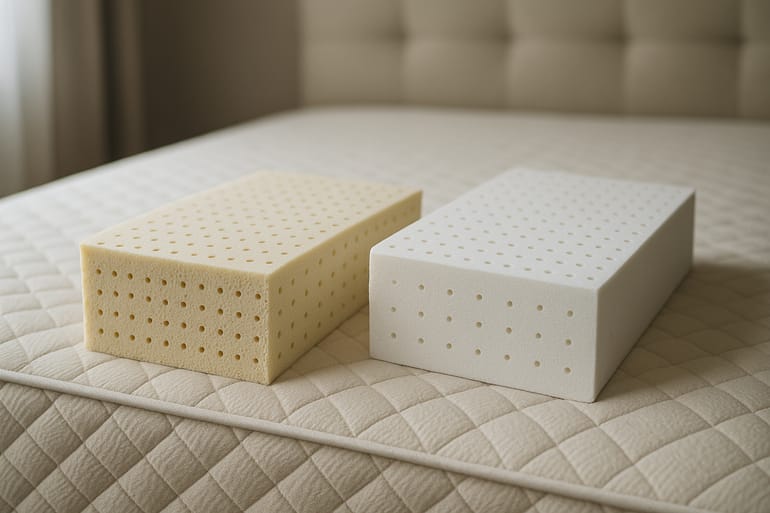
Why Latex Mattresses Stand Out Today
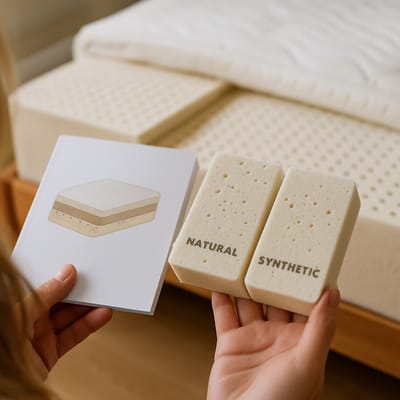
Considering a latex mattress but unsure about natural vs synthetic latex? This guide shows how each type affects feel, durability, cooling, and price so you can choose with confidence. You’ll learn how latex is made, what firmness actually means, and which options pair best with an adjustable base and zero‑gravity positioning.
What you’ll learn
- Key differences between natural, synthetic, and blended latex
- How firmness, ILD, and thickness affect support and pressure relief
- Whether latex truly sleeps cool—and how to optimize airflow
- Certifications that signal safer, low‑emission materials
- Care tips to extend the life of your latex mattress
Quick takeaway
If you want buoyant support, great spinal alignment, and better temperature control than many foams, a latex mattress is a strong choice. Natural latex tends to be more resilient and long‑lasting; synthetic latex can lower cost and offer a consistent feel. We’ll map these trade‑offs and give you simple steps to select the best build for your body, sleep position, and budget—plus how to use your mattress on an adjustable base for comfortable, zero‑gravity rest.
Natural vs Synthetic: What’s the Real Difference?
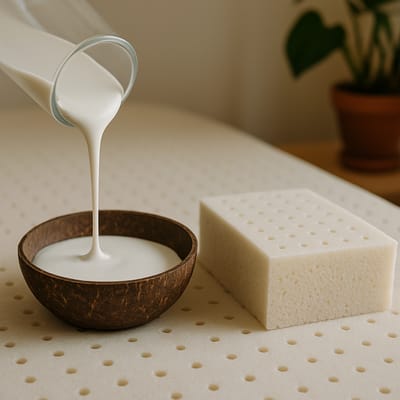
Material types explained
- Natural latex (NR): Made from rubber tree sap and vulcanized. Typically more elastic, durable, and supportive with a “buoyant” feel. It’s heavier, often pricier, and prized for lower odor and strong longevity in a latex mattress.
- Synthetic latex (SBR): Petroleum‑derived, engineered for consistency and cost savings. It can feel slightly less lively and may compress faster over time compared with natural. Odor can be more noticeable at first.
- Blended latex: A mix of NR and SBR (ratios vary). Balances price, performance, and availability; feel lands between natural and synthetic.
Pros and cons at a glance
- Natural latex: + Excellent resilience, durability, and support; + often better temperature neutrality; − higher price, heavier.
- Synthetic latex: + Lower cost and uniform feel; − typically less durable and slightly warmer.
- Blended: + Value‑driven compromise; − inherits trade‑offs from both sides.
Don’t confuse process with material
Dunlop and Talalay describe manufacturing processes, not whether it’s natural vs synthetic latex. Dunlop often feels denser and supportive; Talalay can feel plusher and more consistent. Either process can use natural, synthetic, or blended inputs. Match the process and material to your comfort goals, not just the label on the latex mattress.
How to Choose: Feel, Firmness, and Support
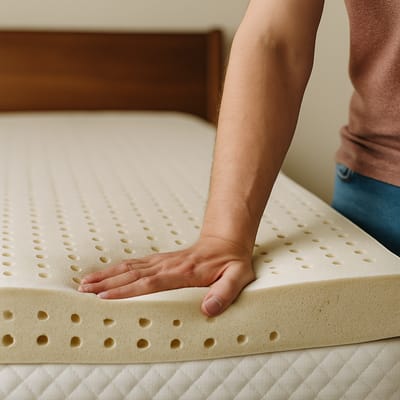
Firmness and ILD
Firmness in a latex mattress is often expressed as ILD (Indentation Load Deflection). Lower ILD feels softer (more pressure relief); higher ILD feels firmer (more pushback). Typical comfort layers fall in the soft‑to‑medium range, while cores use medium‑to‑firm ILDs for spinal alignment.
Match to your sleep style
- Side sleepers: Softer comfort layer for shoulder/hip relief, supportive core below.
- Back sleepers: Medium to medium‑firm balance for neutral alignment.
- Stomach sleepers: Firmer surface to prevent mid‑section sink.
Height, layering, and types
- Total height of 9–12 inches suits most people. More layers = finer tuning of comfort and support.
- All‑latex designs maximize bounce and durability; latex‑hybrids add coil edges and extra airflow.
Motion, edges, and bases
Latex isolates motion well without the “stuck” feel of memory foam. Edge support varies—hybrids usually win here. For adjustable bases and zero‑gravity, look for flexible cores and slat spacing under ~3 inches. Confirm warranty compatibility. Use these checkpoints to compare natural vs synthetic latex constructions and pick a latex mattress that fits your body and bedroom setup.
Do Latex Mattresses Sleep Cool?
Why latex runs cooler
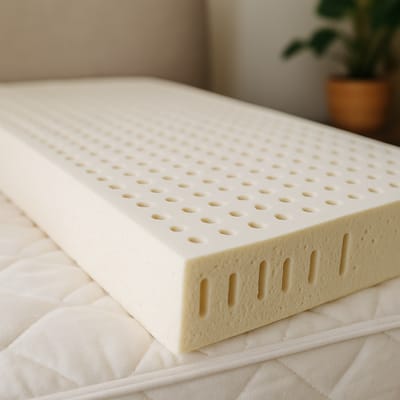
Latex has an open‑cell structure and ventilating pin‑core holes that encourage airflow. Compared with many memory foams, a latex mattress tends to trap less heat and rebounds quickly, so you don’t sink as deeply. Covers with breathable cotton and moisture‑regulating wool amplify this effect.
Natural vs synthetic and temperature
Natural latex usually feels a bit more temperature‑neutral than fully synthetic latex, though blends narrow the gap. Build matters too: thicker, plush layers can retain more warmth regardless of material.
Keep it breezy
- Choose a breathable cover and a light, airy protector.
- Use slatted foundations or an adjustable base that allows airflow.
- Pair with percale or linen sheets to enhance cooling.
- Aim for medium or medium‑firm if you sleep hot—less sink, better ventilation.
If you’re sensitive to heat, prioritize ventilated layers and natural components. With the right setup, you’ll enjoy the buoyant comfort of latex without overheating, making natural vs synthetic latex less about temperature—and more about feel, price, and durability.
Care, Certifications, and Longevity Tips
Make your mattress last
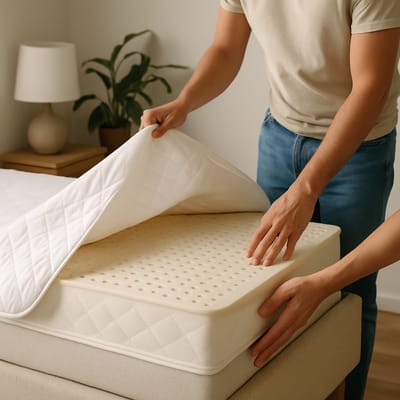
Use a breathable protector, rotate head‑to‑foot 2–4 times per year, and avoid prolonged direct sunlight. Support your latex mattress with slats ≤3 inches apart or a compatible adjustable base. Don’t fold or sharply bend the core when moving it.
Lifespan expectations
Natural latex often lasts 10–15 years with consistent support; synthetic latex can compress sooner. Blends sit in the middle. Heavier sleepers or very soft builds may show impressions earlier.
Certifications to look for
- GOLS: Signals certified organic natural latex content.
- OEKO‑TEX Standard 100: Tests for harmful substances in textiles and foams.
- eco‑INSTITUT / similar emissions labels: Indicates low VOCs and cleaner indoor air.
Setup and zero‑gravity readiness
Confirm warranty coverage for adjustable‑base use. Latex pairs well with zero‑gravity for back relief thanks to its quick response and steady support.
Buying smart means verifying materials, density/ILD, and certifications—not just price. With a bit of care and proper support, a quality latex mattress delivers resilient comfort for years, whether you choose natural vs synthetic latex or a thoughtful blend.
Debug Information (Development Only)
Debug Information
Article: Latex Mattress Guide: Natural vs Synthetic Explained
Decision Metadata
- Decision UUID: 2e7c677a-0098-43f7-934e-4819a46207f1
- Timestamp: 2025-12-09T08:47:21.202888
- Confidence: 0.7177215189873418
- Opportunity Score: 0.0
Content Strategy
- Content Gap: Gap in Mattress Types & Features coverage
- Themes:
- Commercial Level: N/A
Cluster Information
- Cluster IDs: c078f785733c37ed7c0f53997d05a12a
- Cluster Names: Zero-Gravity Beds Hub
Generation
- Model: N/A
- Generated At: N/A