Thick Latex Mattress: Comfort & Thickness Guide 2025
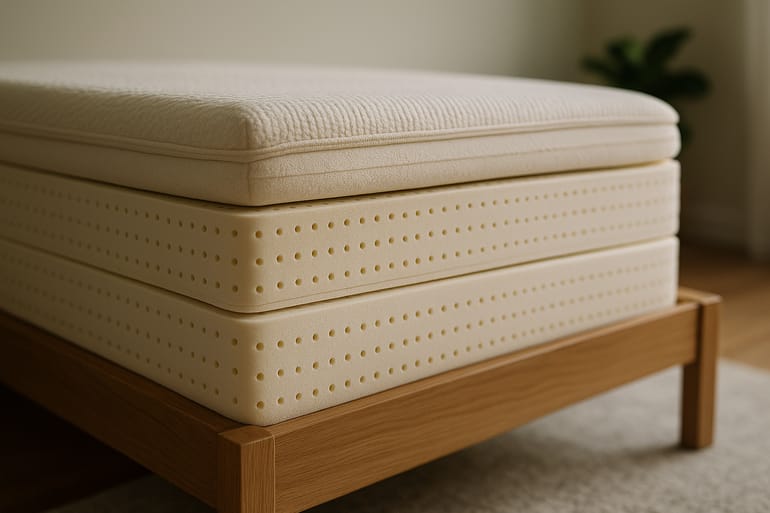
Understanding Thickness: The Foundation of Feel
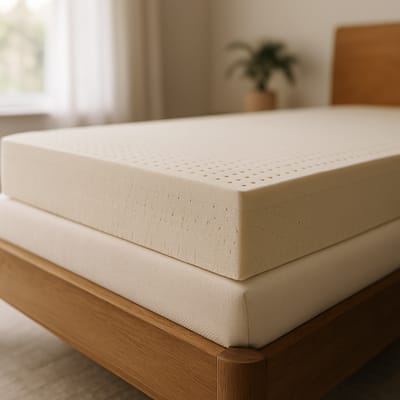
Why thickness matters
A thick latex mattress isn’t just taller—it changes how your bed relieves pressure, supports alignment, and works on an adjustable base. In latex builds, thickness stacks comfort and support layers to fine‑tune pressure relief and spinal neutrality.
Common ranges and what they mean
- 8–9 inches: streamlined, firmer feel, great airflow, lighter and flexible.
- 10–11 inches: balanced comfort/support for most sleepers.
- 12–13 inches: deeper cradling for side sleepers and broader body types.
- 14 inches+: ultra-plush tops with robust cores; heavier and less flexible.
Impact on adjustable bases
Latex flexes well, but ultra‑thick profiles can bend with a larger radius. The sweet spot for most adjustable frames is 10–12 inches—pliant enough to articulate while keeping strong lumbar support. Thicker than 12–13 inches can still work, but expect a gentler contour at the knee/back breaks.
Takeaway
Choose thickness for your body weight, sleeping position, and base. A thick latex mattress benefits side sleepers and couples who want deeper pressure relief, while medium heights suit back/stomach sleepers seeking a flatter, more buoyant feel.
How Thickness Changes Comfort, Support, and Motion
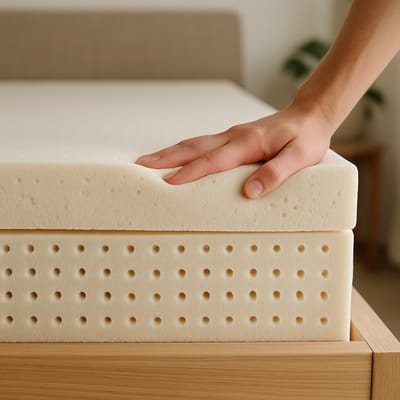
Layering 101
Most latex designs combine a soft comfort layer over a firmer support core. More total height allows thicker comfort layers and transitional zones, which can boost pressure relief without sacrificing base support.
Feel and responsiveness
- Thinner (8–10"): buoyant, slightly firmer surface feel; fast response.
- Medium (10–12"): balanced cradle with clear pushback for alignment.
- Thicker (12–14"+): deeper contour for shoulders/hips; great for side sleeping and curvy body types.
Motion and edge behavior
Added height often improves motion isolation by introducing more material to absorb movement. Edge stability depends on the core’s firmness and density; a thicker profile with a well‑tuned perimeter can enhance sitting support.
Adjustable bed compatibility
For adjustable frames, 10–12 inches typically offers the best articulation‑to‑support ratio. Over 12–13 inches, mattresses can feel slightly slower to bend, though high‑quality latex remains flexible. If you prefer a thick latex mattress, pair it with a base that has strong actuators and a mattress retainer bar.
Practical tip
Match thickness to your firmness build: soft (top 2–3"), medium transition (1–2"), firm core (6–8"). This keeps comfort plush while maintaining durable lift.
Natural vs. Synthetic Latex: What Changes With Thickness
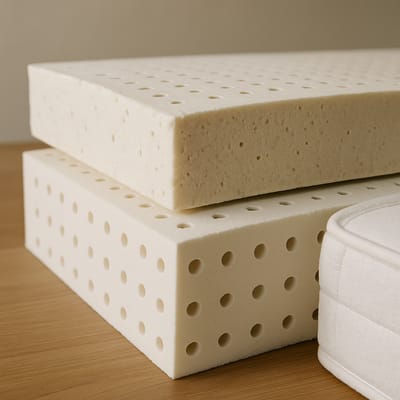
Materials overview
- Natural latex: derived from rubber tree sap, known for resilience, durability, and consistent support.
- Synthetic or blended latex: engineered feel; can be a touch less dense and slightly bouncier, depending on formulation.
Thickness interaction
Thicker builds magnify the material’s character. In a thick latex mattress, natural latex’s dense support can feel more stable through deeper compression, while blends may feel a bit springier in tall stacks. Either can perform well when layer firmness (ILD) is well matched to your body.
Talalay vs. Dunlop (feel nuance)
- Talalay: more airy, highly consistent; great as a thicker comfort layer for pressure relief.
- Dunlop: denser, grounded support; excellent for thicker cores when you need sturdy lift.
Practical configuration
A common recipe: 2–3" soft Talalay for contour, 1–2" medium transition, 6–8" firm Dunlop core. This balances plushness with durable alignment on adjustable bases.
Durability note
Natural latex tends to retain firmness longer, which is useful in taller profiles where comfort layers are thicker. Regardless of material, use a breathable cover and proper base to protect your investment in a thick build.
Thickness Benchmarks: 10", 12" and Beyond—Who Needs What
By sleeping position
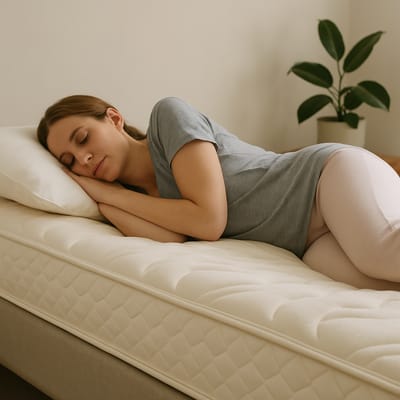
- Side sleepers: 12–13" often delivers the shoulder/hip relief needed.
- Back sleepers: 10–11" provides balanced contour with steady lumbar support.
- Stomach sleepers: 9–10" with a firmer surface helps keep hips from sinking.
By body weight
- Under 150 lb (68 kg): 9–10" with softer top works well.
- 150–200 lb (68–91 kg): 10–12" suits most profiles.
- 200–250+ lb (91–113+ kg): 12–14" with a robust core improves deep support.
Couples and motion
Sharing a bed? A thick latex mattress (11–13") can reduce partner transfer and preserve edge usability, especially with a firmer perimeter or denser core.
Adjustable base guidance
For most frames, 10–12 inches is the versatile sweet spot—flexible articulation without losing support. If you want ultra‑plush 12–14", ensure your base has strong lift and expect a broader bend radius.
Quick picks
- Pressure‑sensitive side sleeper: 12–13" medium‑soft top, firm core.
- Back sleeper with mild back pain: 11" medium top, medium‑firm core.
- Plus‑size support: 12–14" with a firmer, high‑density core and thin soft top.
Buying Checklist, Care Tips, and Adjustable-Bed Setup
Fast buying checklist
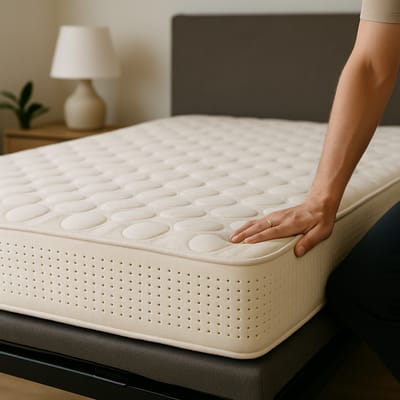
- Thickness target: 10–12" for most, 12–14" for deep relief.
- Firmness map: soft top (ILD
19–24), medium transition (25–30), firm core (≥32). - Material: natural latex for durability; blended for a touch more buoyancy.
- Core design: zoned or firmer perimeter if you need strong edges.
- Adjustable‑bed fit: check manufacturer’s max height/weight and retainer bar.
Setup for adjustable bases
Use a base with solid actuators and slats or a deck that supports latex evenly. A thick latex mattress may need slightly higher base clearance to articulate cleanly. Secure with the retainer bar and avoid very heavy toppers that hinder bending.
Care and longevity
- Use a breathable protector; avoid plastic‑like covers that trap heat.
- Rotate head‑to‑foot 2–4× per year (if layers are symmetrical).
- Keep slat gaps ≤3" for uniform support.
- Spot‑clean only; avoid saturating latex with water.
These practices preserve comfort and extend durability so your thick build maintains consistent support and pressure relief over time.
Debug Information (Development Only)
Debug Information
Article: Thick Latex Mattress Guide: How Thickness Shapes Comfort
Decision Metadata
- Decision UUID: 2e7c677a-0098-43f7-934e-4819a46207f1
- Timestamp: 2025-12-09T08:53:29.163939
- Confidence: 0.7167088607594938
- Opportunity Score: 0.0
Content Strategy
- Content Gap: Gap in Mattress Types & Features coverage
- Themes:
- Commercial Level: N/A
Cluster Information
- Cluster IDs: 3e839cc75a7ecae9bbe07f54a79e0acb
- Cluster Names: Adjustable Beds Hub
Generation
- Model: N/A
- Generated At: N/A