Bamboo Futon Mattress: Buying Guide, Pros & Cons 2026
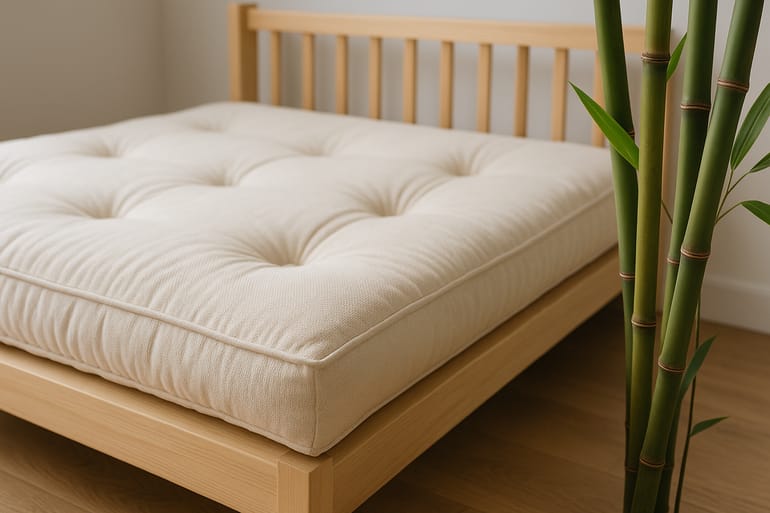
What is a futon, and why choose bamboo?
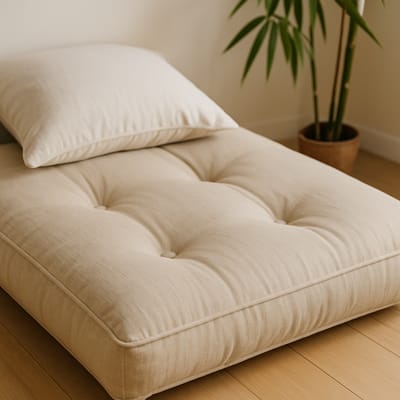
A bamboo futon mattress combines a traditional futon design with a breathable bamboo fabric cover for cooler, fresher sleep. In simple terms, a futon is a flexible, tufted mattress used either on the floor (in the spirit of a Japanese shikibuton) or on a bi‑/tri‑fold frame that converts from sofa to bed. Many shoppers confuse sofa beds with futons; the key difference is the mattress. A futon mattress bends, folds, and airs out easily, while a bamboo futon mattress adds moisture‑wicking comfort on top.
Quick definition
- Floor futon (shikibuton): thin, rollable, used on tatami or firm floors.
- Frame futon: thicker, tufted, designed to fold on a futon frame.
Why bamboo matters: bamboo fabric is soft, breathable, and naturally helps manage humidity—great if you sleep warm. Most bamboo covers are made from rayon/viscose or lyocell derived from bamboo, so you get the silky hand‑feel without a plasticky feel. If you’re seeking an affordable, eco‑leaning option, a bamboo futon mattress delivers strong value by pairing comfort with easy care (removable, washable covers are common). Add a latex or cotton core to dial firmness. Bottom line: if you want an adaptable bed that sleeps cooler and fits tight spaces or multipurpose rooms, bamboo is a practical upgrade.
Bamboo fabric vs conventional covers: pros and cons
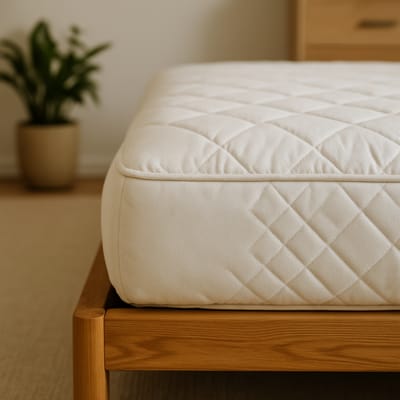
Your cover affects how your bamboo futon mattress feels every night. Here’s how bamboo fabric compares to cotton, polyester, or blends.
Pros of bamboo fabric
- Breathable & moisture‑wicking: helps hot sleepers stay drier.
- Soft hand‑feel: silky, smooth surface reduces friction on sheets.
- Freshness: some blends resist odor buildup better than pure synthetics.
- Sustainability edge: rapidly renewable source, especially with lyocell processing.
Cons to consider
- Processing matters: most bamboo fabric is rayon/viscose; it’s comfortable but chemically processed. Lyocell-from-bamboo is a cleaner process.
- Durability & pilling: looser knits can pill; look for tight weaves and higher GSM.
- Price: often costs more than basic poly/cotton covers.
- Greenwashing risk: verify claims; look for independent standards (e.g., OEKO‑TEX Standard 100) for finished fabrics.
Buying tips for a bamboo futon mattress cover:
- Prefer zip‑off, washable covers to make care easy.
- Check weave (sateen for silky feel, twill for durability).
- If sensitive to chemicals, favor lyocell‑from‑bamboo and ask for certifications on fabrics and foams.
If you run warm, bamboo fabric beats most conventional covers for comfort. If budget is tight or you need maximum abrasion resistance, a heavy cotton twill may be the better fit.
Futon constructions explained: cores, layers, and bamboo
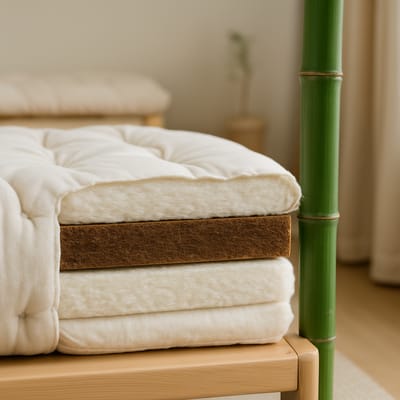
Understanding construction helps you choose the right bamboo futon mattress without guessing.
Common futon cores
- Cotton batting: classic, firm‑to‑medium feel, compresses over time, affordable.
- Latex core: buoyant support, durable, sleeps cooler than many foams, great for nightly use.
- Polyfoam: lightweight and budget‑friendly, but may off‑gas and can soften faster.
- Wool layers: add temperature regulation and moisture control, often paired with cotton or latex.
Where bamboo fits
- Cover fabric: most typical use; improves breathability and hand‑feel.
- Quilted layer: some models add bamboo‑blend fibers under the cover for extra airflow.
- Bamboo charcoal foam: used in some comfort layers to help with odor and humidity.
Build quality cues:
- Hand‑tufting to keep layers from shifting.
- Multi‑density cores (e.g., latex comfort over denser support) for balanced feel.
- Minimal, low‑VOC adhesives when possible; request documentation and certifications (e.g., GOTS for cotton/wool, GOLS for latex, or foam standards like CertiPUR‑US).
If you want nightly comfort with longevity, a latex‑based build with a bamboo fabric cover is a strong pick. For occasional guests, cotton batting with a bamboo cover balances cost, weight, and foldability.
How thick should your futon be?
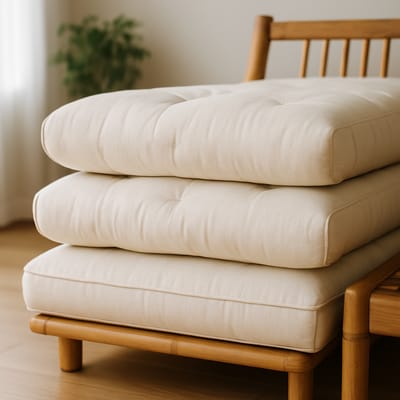
Thickness changes comfort, portability, and frame compatibility. Use these ranges to dial in a bamboo futon mattress for your sleep style.
Practical ranges
- 3–5 inches: floor futon (shikibuton). Firm, rollable, great on tatami or a firm rug. Best for back sleepers, minimal sink, easy to store.
- 6–8 inches: versatile on futon frames or as a guest bed. Medium feel with better pressure relief. Still foldable for sofa use.
- 8–10 inches: primary bed territory, especially with a latex core. More cushioning for side sleepers and broader body types.
- 10–12 inches: plushest futons; heavier and less flexible. Suited to nightly sleepers who prioritize pressure relief.
Quick fit checks
- Side sleepers: lean 8–10" with a comfort layer over supportive core.
- Back/stomach sleepers: 6–8" or firmer builds to prevent swayback.
- Heavier bodies: target thicker builds and resilient cores (latex + dense batting).
- Frame users: confirm fold type (bi‑fold/tri‑fold) and mattress flexibility.
Remember, a breathable bamboo fabric cover won’t change firmness, but it will help manage heat and humidity—key for comfortable, longer sleep sessions.
Buying checklist and best fits by use case
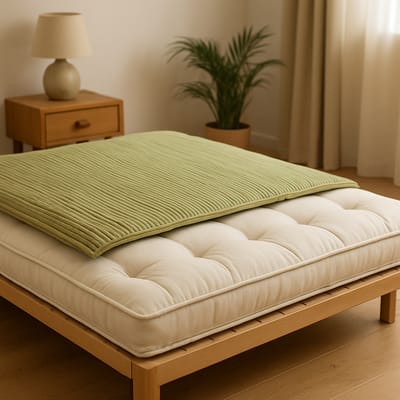
Make a confident choice with this bamboo futon mattress checklist.
Checklist (print or save)
- Size & frame fit: twin/full/queen, bi‑fold vs tri‑fold compatibility.
- Construction: cotton, latex, wool, or polyfoam layers; tufting quality.
- Cover: bamboo fabric type (rayon vs lyocell), tight weave, zip‑off, washable.
- Firmness & thickness: match to sleep position and body weight.
- Certifications: fabric (OEKO‑TEX), organic fibers (GOTS), latex (GOLS), foams (CertiPUR‑US).
- Weight & handling: can you flip/air it out regularly?
- Policies: trial, returns, warranty, shipping.
Quick picks by scenario
- Hot sleepers: bamboo cover + latex core, 8–10".
- Primary bed: latex support with cotton/wool quilting, 8–10".
- Guest room/small spaces: 6–8" cotton/foam blend for easier folding.
- Budget buy: cotton batting with bamboo cover, 6–8".
- Eco‑first: organic latex/cotton/wool + lyocell‑from‑bamboo cover.
Next step: compare non‑brand options that match your checklist, confirm price, and look for recent reviews on comfort and durability. When you’re ready, choose the build that fits your sleep position, room setup, and care routine—and enjoy a cooler, cleaner sleep surface.