Pocket Sprung Mattress: How 1000 Springs Boost Support 2025
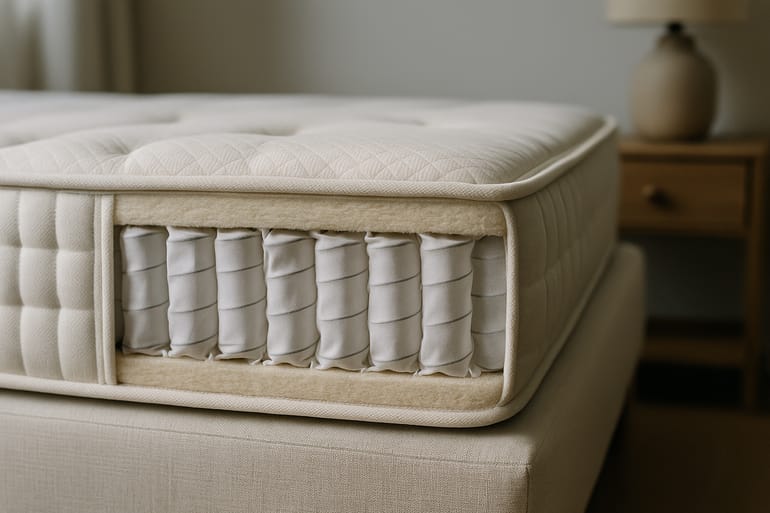
What is a pocket sprung mattress?
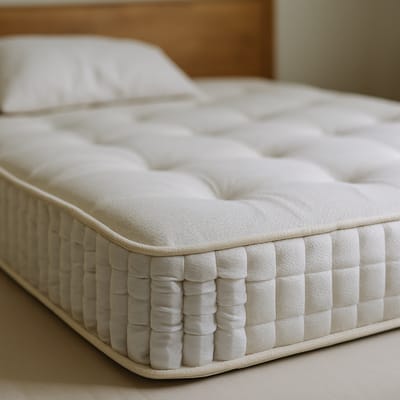
A pocket sprung mattress uses hundreds to thousands of individually wrapped springs, each moving on its own to contour to your body. Unlike open‑coil designs that connect all springs with wire, pocketed coils isolate movement and deliver more precise support. Many shoppers look for around 1000 springs as a balanced starting point for comfort and alignment.
Why it feels different
Each spring sits in a fabric “pocket,” compressing only where weight is applied. This reduces pressure on shoulders and hips while keeping your spine more neutral. Because the coils act independently, partners experience less motion transfer across the bed.
At a glance
- Targeted support: Springs adapt to your curves and sleeping position.
- Better motion control: Less bounce and disturbance than linked coils.
- Airflow: The open structure helps heat dissipate compared with solid foam cores.
A pocket sprung mattress can be paired with comfort layers like memory foam, latex, or fiber quilts to fine‑tune feel. The end result is a mattress that blends responsive support, breathable construction, and pressure relief—ideal if you want a classic innerspring feel without that “all‑connected” hammock effect.
How do pocket springs support your body?
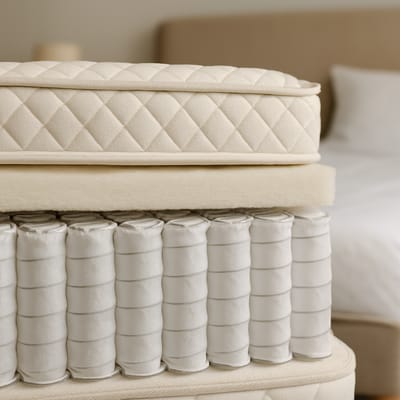
In a pocket sprung mattress, support starts with three elements working together: spring unit, comfort layers, and cover. The spring unit provides lift and alignment, while the comfort layers (often a memory foam core or upper layer) deliver pressure relief and surface feel.
The support stack
- Pocketed coils: Independent response keeps your spine aligned and reduces roll‑together.
- Comfort layers: Memory foam or high‑resilience foam spreads pressure over a wider area, easing hotspots at shoulders and hips.
- Edge system: Firmer perimeter springs or foam rails improve usable surface and seating.
Foam pairing matters
Many buyers choose a pocket sprung mattress with a memory foam layer for a “best of both” hybrid: buoyant coil support underneath and contouring foam on top. Higher‑quality foams tend to feel more stable and last longer, while breathable quilting and perforated foams improve airflow over solid slabs.
Tip: If you sleep hot, look for breathable fabrics, open‑cell foams, and coil counts around 1000 springs or more for extra airflow without making the bed overly firm.
Is 1000 springs enough? When counts really matter
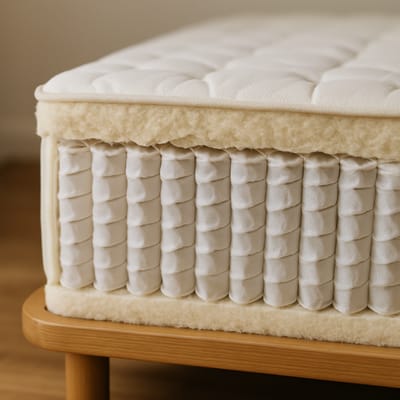
For most double or queen sizes, around 1000 springs is a sweet spot: enough contact points for even weight distribution without making the feel rigid. But raw count isn’t everything.
What to weigh alongside spring count
- Wire gauge and coil height: Thicker wire and taller coils usually feel firmer and more supportive.
- Turns per coil: More turns can allow finer compression and better contouring.
- Comfort layers: The foam stack can soften, firm up, or mute the spring feel.
Who benefits from ~1000?
- Back and combo sleepers: Balanced lift for lumbar support with gentle give at shoulders.
- Average‑weight sleepers: Even pressure relief without sinking too deep.
When to go higher or lower
- Higher counts (mini‑pockets): Can increase precision and reduce motion, useful for lighter sleepers wanting a plush yet supportive feel.
- Lower counts: Can work for lighter bodies or guest rooms with a budget focus.
Bottom line: Choose a pocket sprung mattress by overall build—spring design, foam quality, and cover—rather than spring count alone.
Pocket sprung vs other systems: best for back support?
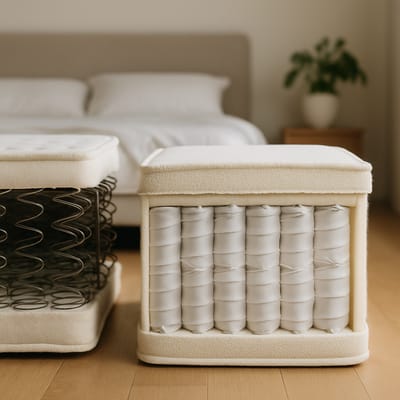
If spinal alignment is your priority, a pocket sprung mattress typically outperforms linked systems because coils respond independently under your lower back.
Comparisons
- Open coil/bonnell: All springs move together, which can create a hammock effect and transfer motion. Pocket sprung offers better contouring and less disturbance.
- Continuous coil: Durable and budget‑friendly, but still linked. Good for spare rooms; less precise than pocket sprung for back support.
- Mini‑pocket layers: Stacks of smaller pockets can add refinement, improving pressure relief without sacrificing lift.
- Foam‑only cores: Great pressure relief and motion isolation. If you like bounce and enhanced airflow, the pocket sprung mattress has the edge; foam suits those wanting a more enveloping feel.
For back care, look for medium to medium‑firm feels, zoned coils under the lumbar area, and comfort layers that prevent sharp pressure at shoulders and hips. Pairing pocket springs with responsive foam helps keep the natural S‑curve of your spine.
Aloe Vera infused covers: benefits and care tips
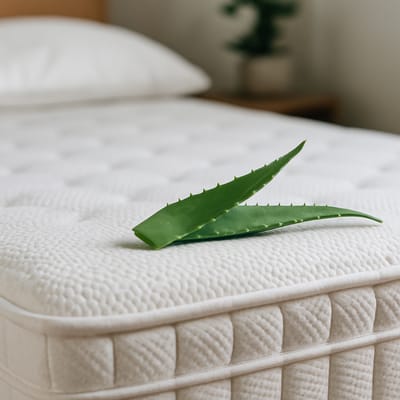
Aloe Vera infused covers are soft knit fabrics finished with Aloe extracts to feel smooth and fresh against the skin. While the infusion won’t change support, it can enhance first‑touch comfort on a pocket sprung mattress.
Benefits
- Soft handfeel: Silky touch right out of the box.
- Freshness: Some users notice a cleaner, cooler surface sensation.
- Skin comfort: Gentle on sensitive skin when paired with breathable quilting.
Care tips
- If the cover is zipped and removable, wash on a gentle, cool cycle (check the care label). Avoid bleach and high heat.
- Air‑dry flat to preserve elasticity and the knit structure.
- Use a breathable protector to guard against spills without trapping heat.
Remember, the cover complements the build; the core springs and foams still define feel and durability. Choose an Aloe Vera finish if you value a softer touch and easy‑care freshness on your pocket sprung mattress.
How to choose and care for a pocket sprung mattress
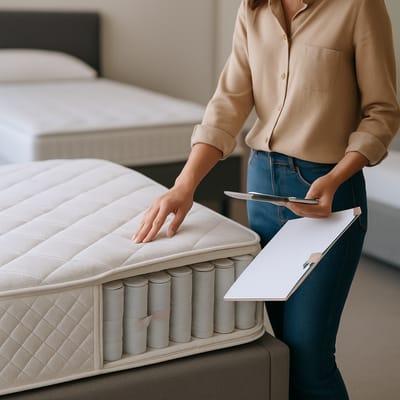
Make a confident choice by matching construction to your body and sleep style.
Buying checklist
- Feel & posture: Medium to medium‑firm suits most backs; side sleepers may prefer a cushioned top.
- Spring design: Around 1000 springs is a solid start; check wire gauge, height, and zoning.
- Comfort layers: Memory foam or resilient foam for pressure relief; look for breathable designs.
- Fabrics & safety: Seek certifications (e.g., fabric safety standards) and low‑odor materials.
- Trial & warranty: A home trial and clear warranty reduce risk.
- Base compatibility: Ensure firm, even support; slats should be closely spaced.
Care for longevity
- Rotate head‑to‑toe every 1–3 months (don’t flip if one‑sided).
- Use a breathable protector; spot clean spills promptly.
- Let your pocket sprung mattress breathe: strip bedding monthly and air the room.
With the right build and basic upkeep, a pocket sprung mattress provides lasting support, balanced pressure relief, and day‑one freshness for years.