Pocket Sprung Construction: Support & Durability Guide 2026
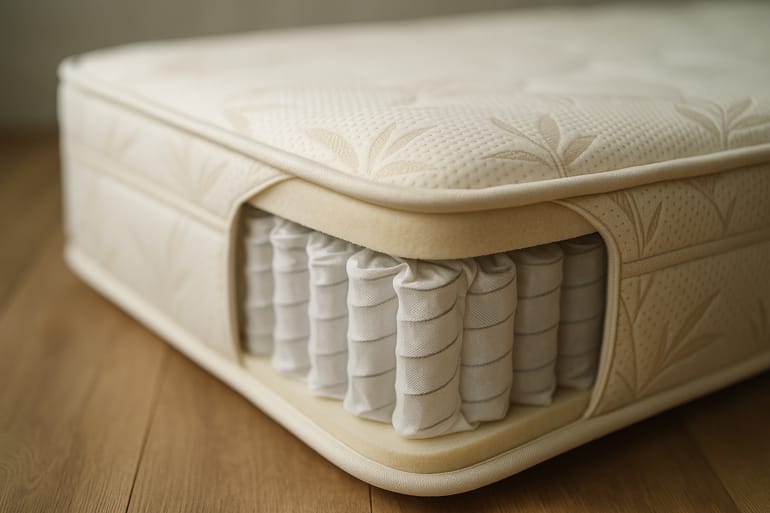
What is pocket sprung construction?
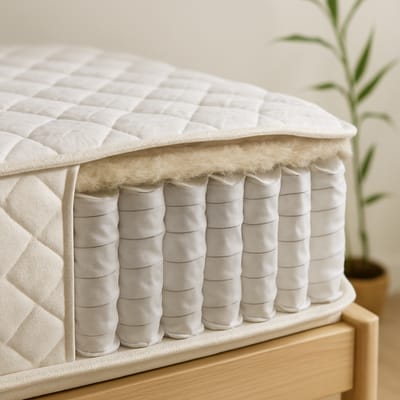
Pocket sprung construction uses hundreds to thousands of individually wrapped coils, each moving independently inside a fabric pocket. Because every spring responds on its own, the mattress contours to your shape, supporting heavy areas like hips and shoulders without pulling on nearby zones. This independent response is the core reason pocket sprung construction delivers balanced alignment and strong motion control. In bamboo-covered models, the breathable, moisture-wicking textile keeps the surface cooler and drier while the spring unit manages support underneath.
Why it matters
- Targeted contouring: Springs compress where needed, keeping your spine more neutral.
- Motion isolation: Independent coils help reduce partner disturbance versus linked spring systems.
- Edge-to-edge stability: Encased borders or firmer perimeter coils can improve usable surface.
You’ll often see comfort layers (e.g., memory foam or latex) above the spring unit. Think of the pocket springs as the support engine, while the top layers fine-tune pressure relief and feel. For non-brand shoppers, the advantage is choice: you can prioritize coil quality and bamboo fabric benefits without paying for a logo. If you like a responsive, well-ventilated bed with precise support, pocket sprung construction paired with a bamboo cover is a smart, durable foundation.
How spring design shapes support and pressure relief
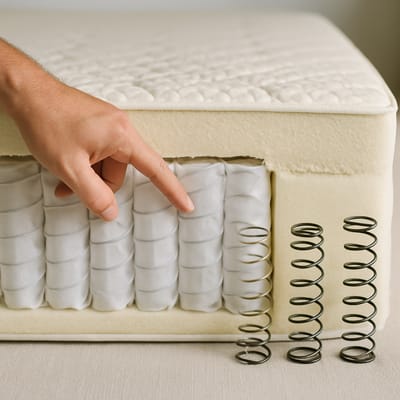
Support in a pocket sprung mattress is driven by coil specs more than coil count. Focus on these:
Key factors
- Wire gauge: Lower numbers (e.g., 12–13.5) mean thicker, firmer coils; higher (e.g., 14–16) feel plusher. Mixed gauges can create zoned lumbar support.
- Number of turns: More turns can deliver a smoother, more progressive compression, improving pressure relief without bottoming out.
- Zoning: Firmer coils under the lower back and softer under shoulders help keep a neutral spine for side and back sleepers.
- Top layers: A thin layer of memory foam can add contouring, while a firmer comfort foam keeps a lifted feel. The pocket sprung construction provides lift; the comfort layer tailors the hug.
Practical fit by sleeper type
- Side sleepers: Look for slightly softer gauges in shoulder zones plus a pressure-relieving top.
- Back sleepers: Medium-firm overall with strengthened lumbar zoning.
- Stomach sleepers: Firmer gauges to prevent midsection sink.
For couples, independent coils plus a bamboo cover’s breathability help manage heat and motion at once. Remember: coil count only helps if coil quality, gauge, and zoning are well executed.
Durability: what lasts and what to look for
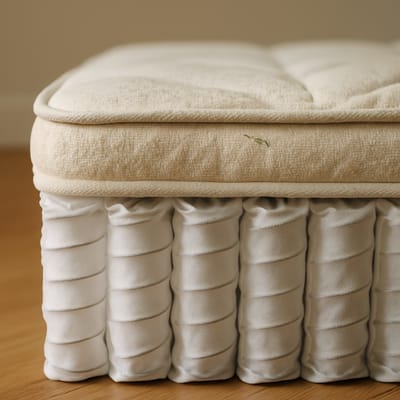
Pocket sprung durability hinges on steel quality and stable comfort layers above the springs.
Long-lasting build cues
- Tempered steel coils: Heat-treated springs keep their shape longer and resist sagging.
- Reinforced edges: Foam encasement or firmer perimeter coils prevent roll-off and extend usable width.
- Quality comfort foams: Denser foams atop the unit reduce body impressions and protect the springs from premature wear.
- Breathable bamboo cover: Moisture-wicking, naturally hypoallergenic, and cool to the touch—helps the whole stack stay fresher over time.
Care tips to extend life
- Rotate 180° every 2–3 months (unless the maker advises otherwise).
- Use a breathable protector to guard against sweat and spills without trapping heat.
- Pair with a supportive base (slats no wider than a credit card gap or a solid platform with ventilation).
- Avoid jumping or concentrated heavy loads on edges.
When evaluating pocket sprung construction, prioritize tempered coils, thoughtful zoning, and a durable bamboo fabric. Together, these features maintain support and durability year after year, preventing the hammock effect and keeping alignment consistent.
Pocket sprung vs memory foam: which suits you?
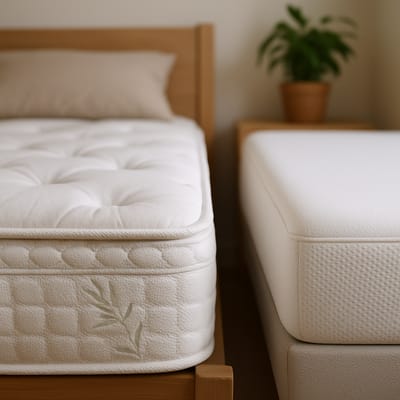
Both constructions can be excellent, but they feel and perform differently.
Pocket sprung advantages
- Responsive lift with better airflow; great for combination sleepers.
- Stronger edge support when reinforced.
- Lower heat build-up, especially with a bamboo cover.
Memory foam advantages
- Deep contouring and strong pressure relief.
- Top-tier motion isolation in thick, quality foams.
Consider this when choosing
- You run hot: Pocket sprung construction with a bamboo cover enhances breathability.
- You want a floating feel: Springs offer buoyant support versus the enveloping feel of memory foam.
- You need maximum pressure relief: A thicker memory foam layer (or a hybrid with plush foam over springs) may suit you better.
- Edge sitting: Pocket sprung models with encased edges usually win here.
Compromise option: a hybrid—pocket springs below, memory foam above—can blend contouring with airflow. For non-brand shoppers, compare coil gauge and zoning, foam quality, and cover materials first, not logos. If you’re torn, start with a medium-firm hybrid and adjust firmness via a topper later.
Quick buying checklist and smart next steps
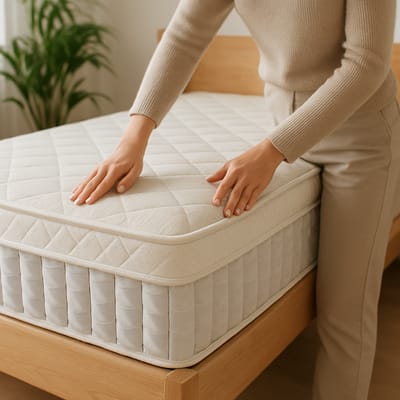
Use this checklist to pick a durable, supportive pocket sprung mattress with a bamboo cover:
- Coils: Tempered steel, appropriate wire gauge for your sleep style, and thoughtful zoning.
- Comfort layers: Quality foams (or latex) with enough thickness for your shoulder/hip relief.
- Edge support: Encased perimeter or firmer edge coils.
- Cover: Breathable bamboo fabric with removable, washable design if possible.
- Certifications: Look for reputable textile and foam safety standards.
- Trial & warranty: At least 100-night trial and a meaningful warranty for peace of mind.
Pro tips
- Heavier bodies often prefer firmer gauges or extra zoning for long-term alignment.
- Hot sleepers should prioritize airflow and bamboo; consider a breathable protector.
- Couples benefit from pocket springs’ motion control; add a memory foam topper if you want more hug.
Ready to compare? Shortlist a few non-brand options by the criteria above, then choose the one that matches your sleep position and climate. Want help narrowing eco-friendly choices? Download our green mattress checklist and join our newsletter for bamboo bedding tips and price alerts.