Pocket Sprung vs Open Coil: Key Differences Guide 2026
Start here: the big differences that shape your sleep
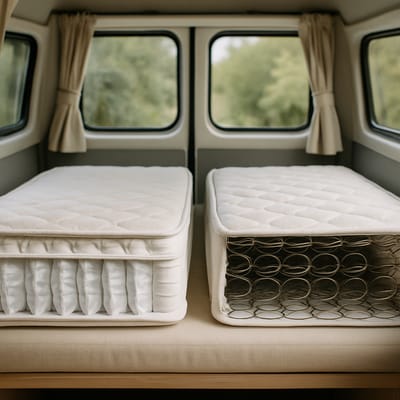
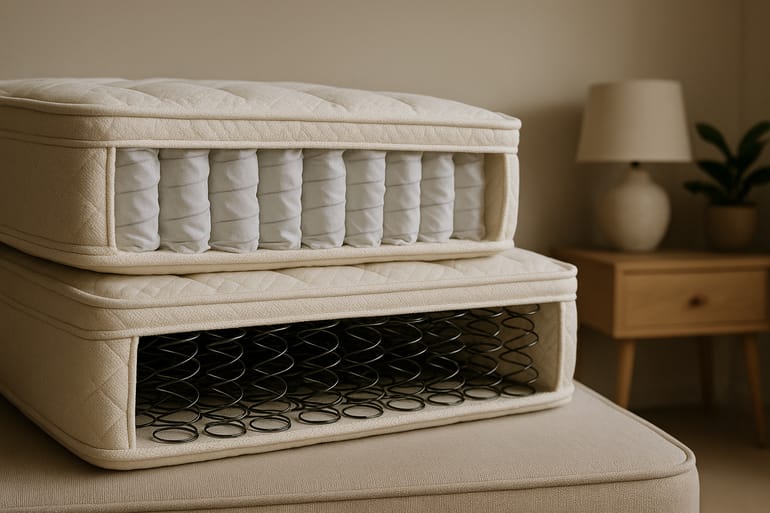
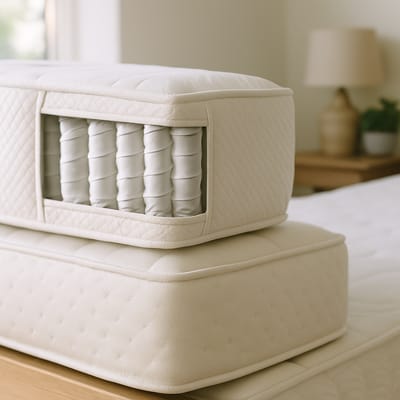
Comparing pocket sprung vs open coil for a campervan mattress? The construction you choose decides pressure relief, motion isolation, and long‑term comfort on the road. In an open coil (traditional Bonnell/continuous wire) design, springs are linked, so movement travels across the surface. A pocket sprung mattress uses individually wrapped coils that respond independently to your body. That means better posture alignment, less partner disturbance, and more precise contouring.
Why construction matters in a van
- Support mapping: Pocket units adapt to shoulders, hips, and lower back, helping maintain a neutral spine on uneven pitches.
- Motion control: Independent springs reduce roll‑together—great for narrow campervan beds.
- Durability: Quality pocket systems resist sagging better than many open coil builds, especially with regular rotation.
- Weight & cost: Open coil is usually lighter and cheaper; pocket sprung is heavier but offers premium comfort.
What you’ll learn next
We’ll break down construction, posture‑driven firmness, edge support, and practical buying tips tailored to campervan layouts. By the end, you’ll know when pocket sprung vs open coil makes sense, how to choose the right firmness, and what specs to check before you buy.
How the springs work: construction, feel, and longevity
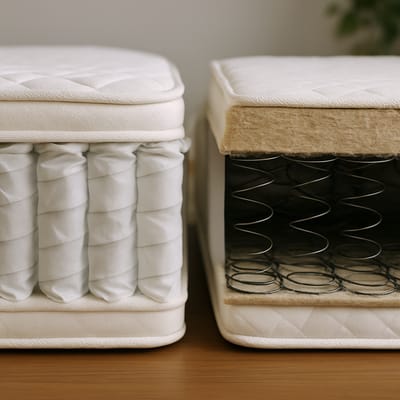
Pocket sprung vs open coil in practice
- Pocket sprung: Hundreds to thousands of fabric‑encased coils compress independently, shaping to your curves. Expect superior pressure relief, targeted lumbar support, and minimal motion transfer—ideal for couples.
- Open coil: Springs are interlinked. The feel is bouncier and more uniform, but movement can spread. It’s typically more affordable and lighter, which can help with payload limits.
Comfort layers and airflow
Both systems rely on comfort layers (foam or fiber) above the spring unit. Look for multi‑density foams or breathable pads to balance cushioning with ventilation—important in compact, moisture‑prone vans. A ventilated border or perforated foams can reduce condensation.
Durability and maintenance
- Pocket sprung: Better shape retention; rotate head‑to‑toe every 1–3 months.
- Open coil: Can develop roll‑together sooner; rotate more frequently. If double‑sided, flip seasonally.
Edge support
Reinforced edges or firmer perimeter coils prevent that “slip‑off” feeling on narrow platforms. Pocket models often deliver stronger, more stable edges, useful when sitting to dress or when your bed converts from a bench.
Posture and firmness: choosing support that fits your body
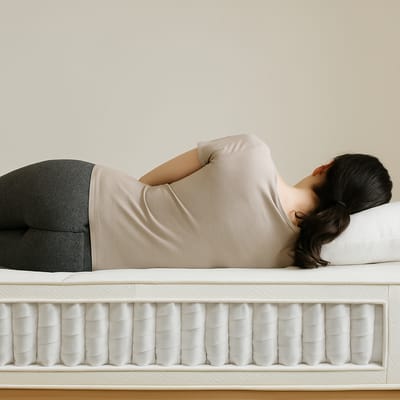
Your spine should rest in a neutral line—no dipping at the hips, no tight shoulders. That’s where firmness and spring response differ in pocket sprung vs open coil.
Match firmness to sleeping style
- Side sleepers: Medium to medium‑soft lets shoulders/hips sink slightly for pressure relief.
- Back sleepers: Medium to medium‑firm supports the lumbar curve without pushback.
- Stomach sleepers: Medium‑firm to firm keeps hips from collapsing.
Body weight and bed size
Heavier sleepers often prefer firmer builds or higher spring counts for stable posture support. In small campervan beds, precise contouring from pocket coils reduces edge roll and partner disturbance.
What to look for
- Spring count & gauge: More coils with appropriate wire gauge = finer contouring and stable support.
- Zoned support: Firmer coils under the hips/lower back can improve alignment.
- Comfort layers: Quality foams or fibers resist compression set; breathable materials help manage van humidity.
- Edge reinforcement: Essential for narrow platforms and seat‑to‑bed conversions.
If you wake with numb shoulders or a sore lower back, step up support or adjust firmness. Pocket springs typically offer the most consistent alignment across positions.
Buying checklist for campervans: make the right choice fast
Quick decision guide
- Want the best motion isolation and tailored support? Choose pocket sprung.
- Tight budget or weight limits? Consider open coil with quality comfort layers.
- Sitting on the edge often or using a narrow bed? Prioritize edge support.
Campervan‑specific checks
- Measure precisely: Length, width, and thickness—watch for sloping walls and lift‑up lids.
- Weight & access: Heavier pocket units feel great but may be harder to lift for storage access.
- Ventilation: Slatted bases, breathable covers, and moisture‑wise materials reduce condensation.
- Maintenance: Rotatable or flippable designs extend life; confirm rotation guidance.
- Noise: Interlinked springs can creak; pocket springs are typically quieter.
- Warranty & return: Look for clear coverage and an evaluation window.
Spec cues that matter
- Spring count appropriate to size, supportive wire gauge, and, if possible, zoned cores.
- High‑resilience foams or fibers that won’t compress quickly.
Bottom line: For all‑round comfort, posture alignment, and couple‑friendly sleep, a well‑built pocket sprung model usually wins. Opt for open coil when simplicity, lower cost, or lighter weight are your top priorities.