Bariatric Air Beds: Buyer’s Guide & Key Factors 2025

Start Here: What Makes a Bariatric Air Bed Different

Choosing a bariatric air bed isn’t just about comfort; it’s about safe, reliable support for higher body weights. The right model manages load, resists stretch, and maintains pressure through the night. In this guide, you’ll learn how to evaluate weight capacity, durability, inflation control, edge support, and everyday care so you can buy with confidence.
What to look for
- Weight capacity: Rated limits should exceed your body weight with a safety margin.
- Durability: Thick materials, reinforced seams, and strong internal baffles handle real-world stress.
- Inflation control: Fine-tune firmness and keep pressure stable as temperatures change.
- Edge support: A firmer perimeter makes sitting, standing, and transfers safer.
- Maintenance: Simple setup, easy cleaning, and patch-ready construction extend lifespan.
Why it matters: air beds experience changing loads when you sit, turn, or get up. Without proper design, seams can creep, edges can collapse, and firmness can fluctuate. A well-built bariatric air bed spreads forces across multiple chambers or beams, limits air migration, and gives you adjustable comfort without sacrificing stability. Use the sections below to match features to your needs—whether it’s nightly sleep, occasional use, or a portable backup option.
Get Weight Capacity Right: Ratings, Margins, and Fit

Capacity ratings are your first filter. They describe the maximum load the air bed can safely support under typical conditions. Because real use adds dynamic forces (sitting on the edge, shifting positions), choose a capacity that exceeds your body weight by a healthy margin.
Practical guidelines
- Aim for a 20–30% safety margin above your body weight. Heavier users or frequent edge sitting may prefer 30–40%.
- For two sleepers, use the combined weight and the same margin. If one person often sits at the edge, size up.
- Taller or higher-profile air beds spread loads better and can feel more stable when sitting.
Examples (general guidance, not manufacturer specs):
- Up to 350 lb: consider 450–500 lb rated models.
- 350–500 lb: consider 600–800 lb rated models.
- 500+ lb or frequent seated use: look for the highest ratings available with reinforced perimeter construction.
Fit and height
A raised height (16–20 in) can make getting in and out easier. If transfers are a priority, look for robust edge construction and a non-slip base. Remember that over-inflation doesn’t increase true capacity— it increases seam stress. Pick the right rating first, then fine-tune firmness with inflation control.
Durability, Materials, and Edge Support That Matter

Bariatric air beds need materials that hold shape under sustained load. Look for thick-gauge PVC or low-stretch TPU with heat-welded seams. Multi-layer or fabric-reinforced laminates improve puncture resistance and reduce creep over time. Inside the bed, I-beam or coil-beam baffles distribute weight, while multi-chamber layouts reduce air shifting when you move.
Construction details to check
- Material thickness: Thicker films resist stretch; TPU stays flexible in cold rooms.
- Seam quality: Wide, heat-welded seams last longer than glued joints.
- Baffle design: More beams or zoned chambers = better load spread and posture support.
- Top surface: Velour or fabric tops grip sheets and reduce slide.
Edge support
A strong edge helps with sitting and transfers. Look for:
- Perimeter rings or firmer outer chambers to resist roll-off.
- Higher profile (raised beds) to reduce knee bend when standing.
- Anti-slip base so the bed stays put on smooth floors.
These features work together: durable materials prevent stretching, baffles manage pressure points, and edge structures keep the border stable. The result is a bed that feels solid on Day 1 and still supportive after months of use.
Inflation Control: Pumps, Chambers, and Pressure Stability
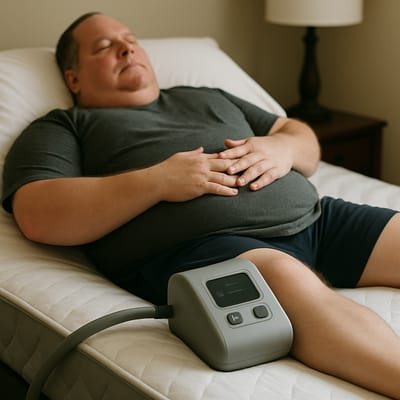
Comfort depends on consistent pressure. Good systems let you set firmness precisely and keep it there overnight as temperature and altitude shift. Options range from simple external pumps to integrated electric pumps with auto shutoff, and multi-chamber designs for better zonal control.
What to consider
- Integrated pump: Faster setup, easy adjustments, often with dial or numbered settings.
- Dual or zoned chambers: Fine-tune torso vs. legs or center vs. perimeter for better alignment.
- Auto top-off: Periodically maintains pressure to offset natural air loss.
- Backflow valves: Reduce rapid deflation when you disconnect a pump.
Dialing in firmness (quick method)
- Inflate fully to seat seams.
- Lie in your usual position; release air in small bursts until hips and shoulders feel cradled while spine stays neutral.
- Sit on the edge and test stability; add a touch of air if the perimeter compresses too much.
- Re-check after 15 minutes; micro-adjust as the material warms up.
Avoid over-inflation—it can feel hard and increases seam stress. A well-designed bariatric air bed makes small, repeatable adjustments easy.
Setup, Maintenance, and Care for Long-Term Performance
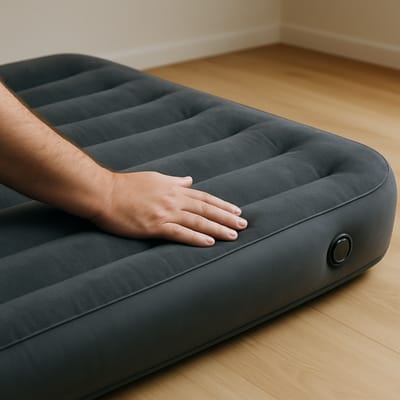
Longevity comes from smart setup and simple routines. Start with a flat, clean surface free of screws or splinters. If using a frame or platform, add a smooth support board or mat to spread load and protect from abrasion.
Best practices
- Room prep: Keep 6–12 inches of clearance around the bed to prevent wall friction.
- Top protection: Use a thick mattress pad to reduce point pressure and improve comfort.
- Daily check: Add a quick top-off if the room cools overnight; normal air loss is small but noticeable.
- Rotation: Turn the bed head-to-foot monthly to even wear on baffles and surfaces.
- Cleaning: Mild soap and a soft cloth; avoid solvents that weaken seams.
- Repairs: Keep a compatible patch kit on hand; clean and fully dry the area before patching.
- Storage: Fully dry, then loosely rolled in a temperate space—no tight folds near seams.
Review the warranty and any weight disclosures before purchase; proper use and care keep coverage intact and performance consistent.
Air Beds vs Traditional Mattresses for Bariatric Sleep

Both options can work—your timeline, budget, and priorities decide. A bariatric air bed shines when you need adjustable firmness, portability, and quick setup. Traditional mattresses (especially heavy-duty hybrid or innerspring designs) typically win on long-term durability, edge support, and low maintenance.
Air bed advantages
- Adjustable comfort on demand
- Portable and easy to store
- Often lower upfront cost
- Helpful as a temporary or guest solution
Air bed trade-offs
- More pressure fluctuation with temperature changes
- Edge support can be weaker without reinforced perimeters
- Potential pump noise and more maintenance
When to choose which
- Primary, nightly sleep: Consider a purpose-built heavy-duty traditional mattress if you want maximum stability and minimal upkeep.
- Short-term, flexible use or travel: A reinforced bariatric air bed with high capacity, zoned chambers, and auto top-off is a smart pick.
Decide based on your use case—and if you go air, prioritize capacity, materials, inflation control, and edge support to get dependable comfort.
Debug Information (Development Only)
Debug Information
Article: Bariatric Air Bed Buyer’s Guide: Key Considerations
Decision Metadata
- Decision UUID: 2e7c677a-0098-43f7-934e-4819a46207f1
- Timestamp: 2025-12-09T07:44:55.454299
- Confidence: 0.7217721518987341
- Opportunity Score: 0.0
Content Strategy
- Content Gap: Gap in Mattress Types & Features coverage
- Themes:
- Commercial Level: N/A
Cluster Information
- Cluster IDs: 7c911e01375b681162ce59aa78eb308d
- Cluster Names: Bariatric Air Beds
Generation
- Model: N/A
- Generated At: N/A