Kids' Air Bed: Size, Weight & Materials Guide 2025
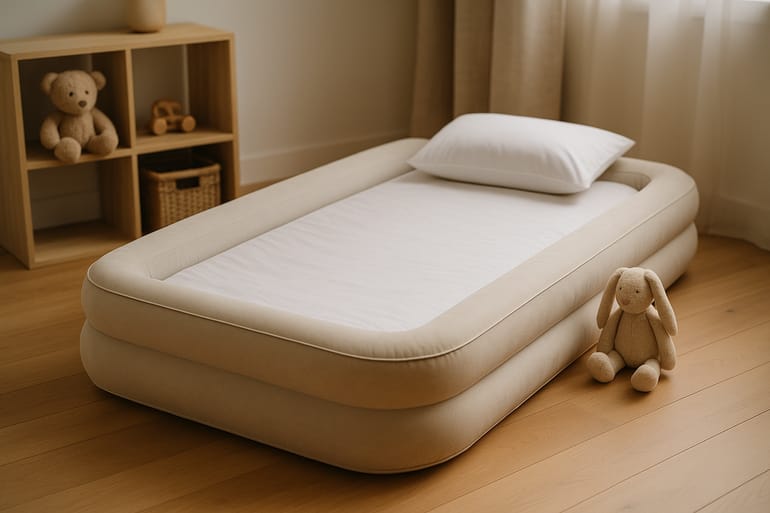
Why a kids' air bed works—and how to choose well
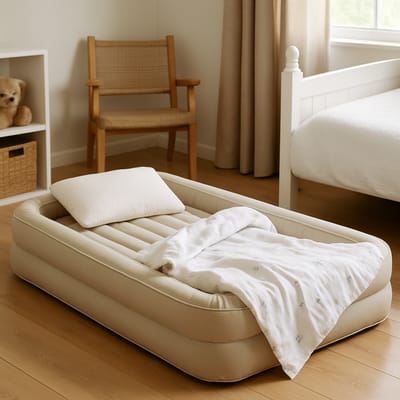
A kids' air bed is a flexible sleep solution for travel, sleepovers, and small spaces. Choose the right model and your child gets solid comfort, quick setup, and easy storage. The key is matching the kids' air bed to your child’s size, expected weight, and the materials that affect comfort and durability.
What this guide covers
- Size & thickness: How to pick dimensions that fit your child and the room.
- Weight limit: Setting a safe buffer so the mattress lasts longer.
- Materials & build: PVC vs. TPU, coil-beam designs, and flocked tops.
- Safety: Stability, edge protection, and cleanability for allergy control.
- Setup & care: Pumps, leak checks, and easy maintenance.
Quick wins
- Aim for a mattress that’s long enough for current height plus growth room.
- Keep usage under about 80% of the rated weight limit for better longevity.
- Pick low-odor, phthalate-free materials with a soft, flocked top to prevent sliding.
Use this overview to shortlist a kids' air bed that feels comfy on night one and stays reliable for many trips to come.
Pick the right size and weight capacity
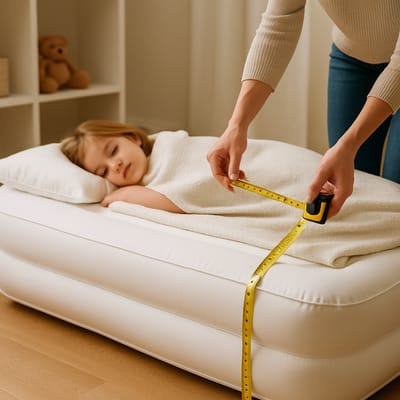
Getting size and capacity right makes a kids' air bed safer and more comfortable.
Sizing basics
- Length: Choose mattress length at least child’s height + 10–15 cm (4–6 in) for wiggle room.
- Width: Youth beds run ~28–32 in wide; a standard twin is ~38–39 in and suits long-term use.
- Thickness: 7–10 in offers better insulation and comfort than ultra-low pads, without adding bulk.
Weight limits (and how to use them)
Manufacturers list a maximum load. For durability and stability, keep actual weight (child + bedding) within 70–80% of that limit. Example: If a bed is rated 150 lb (68 kg), target under ~105–120 lb for regular use. Many youth-focused beds rate around 80–150 lb; twin models often handle 200–300 lb.
Fit in real rooms
- Measure floor space; allow 3–6 in around edges so sheets don’t catch walls or furniture.
- For active sleepers, consider a slightly wider kids' air bed or one with raised sides.
The right dimensions and a conservative approach to the weight limit keep the kids' air bed comfortable now and ready for the next growth spurt.
Materials and build: comfort, durability, feel

Materials determine how a kids' air bed smells, sounds, and survives rough-and-tumble play.
Shell materials
- PVC: Common, affordable, and durable. Modern versions can be phthalate-free. May be firmer in cold rooms.
- TPU: Lighter, more flexible, and typically low-odor with good cold-weather performance; often costs more.
Surface and internal structure
- Flocked top: Soft, grippy fabric that reduces sheet slippage and adds warmth.
- Coil-beam or I-beam construction: Internal baffles that distribute weight and reduce sag. Coil-beam often feels a bit plusher and more supportive.
What to look for
- Reinforced seams around high-stress zones (corners, valve area) to prevent leaks.
- Non-slip base to keep the kids' air bed from traveling on hard floors.
- Low-VOC claims and clear safety documentation when possible.
If your child runs warm, a thinner flock plus a breathable sheet helps. For cold floors, choose a thicker kids' air bed and add an insulating layer under the mattress. With the right materials and build, you’ll get a quieter, comfier night and a bed that holds air reliably.
Safety first: stability, edges, and easy cleaning
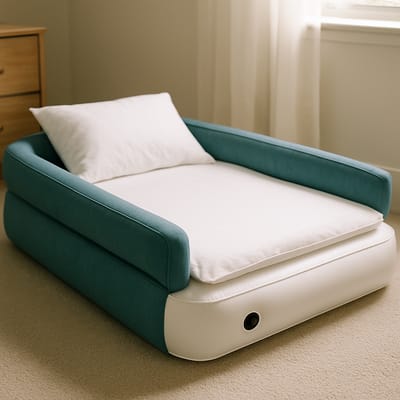
Safety is non-negotiable—set up the kids' air bed to be stable, protected at the edges, and easy to sanitize.
Stability and placement
- Place on the floor, never on a frame, cot, or elevated surface.
- Use a non-slip mat on hardwood or tile to reduce slide.
- Leave clear space around the bed; keep cords, heaters, and sharp toys away.
Edge protection and age notes
- Prefer beds with raised sides or add soft bumpers for active sleepers.
- Air mattresses are not suitable for infants; babies should sleep on a firm crib mattress. Most families reserve a kids' air bed for children roughly preschool age and up.
Cleanability and allergens
- Choose wipeable surfaces and a removable, machine-washable fitted sheet.
- Quick clean: mild soap + water after trips; deep clean monthly if used often.
- Dry fully before storage to prevent mold.
A thoughtfully placed and well-maintained kids' air bed reduces fall risks and keeps allergens in check, so your child sleeps soundly and you sleep easy.
Pumps, setup, and maintenance made simple

Good setup habits keep a kids' air bed comfortable night after night.
Pumps and valves
- Built-in electric: Fast and convenient at home; watch for overinflation.
- Battery/USB: Travel-friendly and lighter.
- Manual foot/hand: Reliable backup, quieter at bedtime.
- Look for a one-way valve (e.g., Boston-style) for easier top-ups.
Inflation tips
- Inflate to a supportive yet slightly plush feel; too firm reduces comfort.
- Expect initial stretch—top up after 30–60 minutes on first use.
- Temperature drops can reduce pressure; add a few breaths before lights out.
Care and repairs
- Weekly: quick leak check with soapy water on seams/valve if pressure dips.
- Keep a patch kit; clean, dry, then apply patch with firm pressure per instructions.
- Storage: wipe down, air-dry, then roll loosely; avoid tight folds on seams and keep in a cool, dry place.
With the right pump, smart inflation, and simple maintenance, your kids' air bed will hold air longer, feel better, and be ready whenever adventure calls.
Debug Information (Development Only)
Debug Information
Article: How to Choose a Kids' Air Bed: Size, Limits, Materials
Decision Metadata
- Decision UUID: 2e7c677a-0098-43f7-934e-4819a46207f1
- Timestamp: 2025-12-09T07:32:41.520361
- Confidence: 0.7237974683544304
- Opportunity Score: 0.0
Content Strategy
- Content Gap: Gap in Mattress Types & Features coverage
- Themes:
- Commercial Level: N/A
Cluster Information
- Cluster IDs: 85112a7a3178b0fee811e91f6ceb9e04
- Cluster Names: Adjustable Beds Hub
Generation
- Model: N/A
- Generated At: N/A