Self-Inflating Mattress: Camping Buying Guide 2025
Start here: what a self-inflating mattress does for you
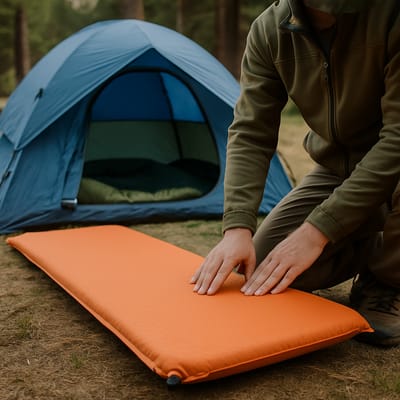
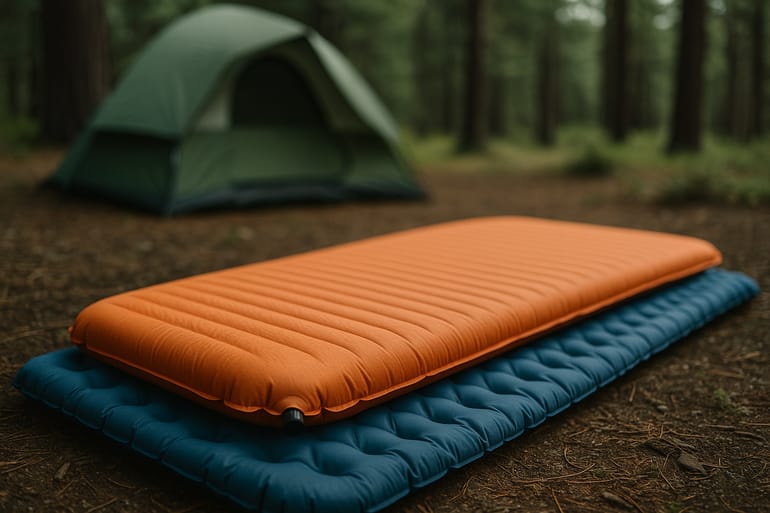
A self-inflating mattress solves two camping problems at once: reliable comfort and quick setup. Inside the shell is open-cell foam that expands when you open the valve, pulling in air so the pad largely fills itself. Add a few breaths to fine-tune firmness, close the valve, and you’re done. For car camping, weekend getaways, or shoulder-season trips, a quality self-inflating mattress offers consistent insulation (R-value), durable materials, and easier field repairs than many ultralight air pads.
In this guide, you’ll learn how to choose the right self-inflating mattress by understanding R-value for warmth, thickness for comfort, and how weight and packed size change with different constructions. We’ll compare self-inflating vs air mattresses and foam pads so you can match your pick to your camping style. You’ll also get a quick buying checklist plus setup and care tips to make your pad last longer.
Bottom line: if you want fuss-free comfort and dependable warmth without carrying an electric pump, a self-inflating mattress is a smart choice. Get the size and insulation right, and you’ll sleep better, recover faster, and wake up ready for the next day’s adventure—even when temperatures dip or the ground is rough.
Insulation, comfort, durability: the big three features
Warmth (R-value)
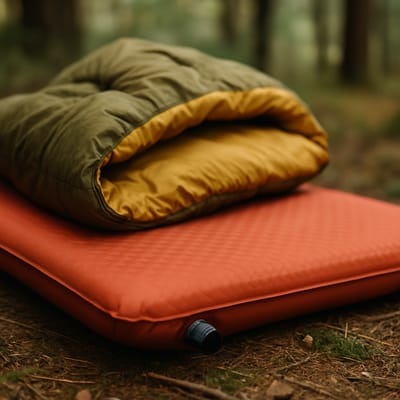
R-value measures how well a self-inflating mattress resists heat loss. Aim for:
- R 1.0–2.0: warm summer nights
- R 2.0–3.5: three-season comfort
- R 4.0–5.5: shoulder season & light frost
- R 5.5+: cold-weather and basecamp use
Comfort (thickness and foam)
Self-inflating pads use open-cell foam that gives a stable, less bouncy feel than pure air pads. Typical thickness is 3–10 cm; thicker pads feel plusher and warmer but pack larger. A grippy top fabric helps keep your sleeping bag from sliding on uneven sites.
Durability (shell and valves)
Look for shell fabrics in the 30D–75D range. Heavier denier resists abrasion better for rocky camps. Valves matter: modern one-way or high-flow valves speed inflation/deflation and make micro-adjustments easier with gloves.
Practical takeaways
- Choose R-value for your coldest realistic night, not the average.
- Balance thickness with your car space or backpack volume.
- If you’re rough on gear, prioritize tougher fabrics and a solid valve design.
Get these three right and your self-inflating mattress will deliver reliable warmth, stable comfort, and long service life.
Weight and packed size: match the pad to your trip
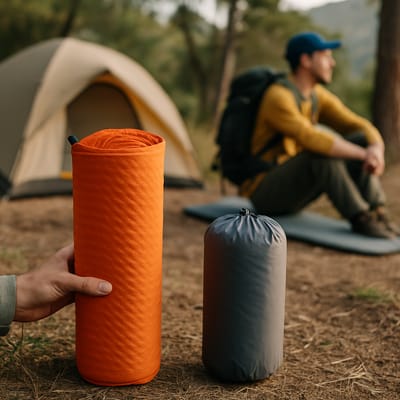
How light should your self-inflating mattress be? It depends on how you camp.
Trip profiles
- Car camping/basecamp: Comfort first. Pads often weigh 1.5–3.5 kg and pack larger, but deliver plush sleep and high R-values.
- Backpacking: Target 600–1200 g with moderate R-value (≈2.5–4.0). Choose a size that fits your tent and shoulders.
- Bikepacking/short overnighters: Favor compact models with 30–50 cm pack lengths and slimmer diameters to fit panniers or small frames.
Size, shape, and fit
- Width: 51–64 cm is common; broad-shouldered sleepers may want 64–76 cm.
- Length: Regular (≈183 cm) suits most; long pads (≈196 cm) add toe room and warmth.
- Shape: Rectangular = more room; mummy saves weight and space.
Quick rules of thumb
- If you toss and turn, go wider even if it adds grams.
- Cold sleeper? Bump R-value before adding thickness.
- Tight pack space? Pick a slimmer, higher-R model rather than a much thicker low-R pad.
By aligning weight, packed size, and fit with your style, you’ll carry less, sleep warmer, and stay comfortable on every trip your self-inflating mattress joins.
Self‑inflating vs air mattresses vs foam pads: which wins?
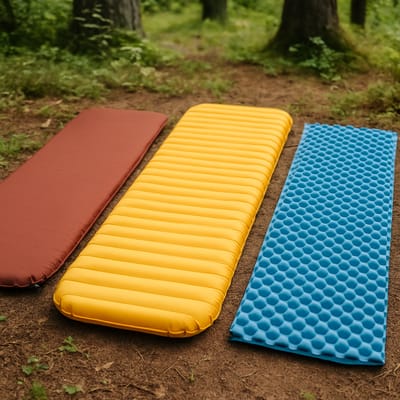
Each pad type has a sweet spot. Here’s how they differ when you’re deciding between a self-inflating mattress and the alternatives.
- Self-inflating: Easy setup, stable feel from foam, dependable insulation options. Slightly heavier and bulkier than ultralight air pads, but simpler to inflate and easier to sleep on if you prefer a firm surface.
- Backpacking air pads: Light and compact, often very warm if they include synthetic or down-like insulation. Require full inflation by breath or pump, can be bouncier, and are more puncture-sensitive.
- Thick car-camping air beds: Sofa-like comfort and big thickness. Usually heavy, need a pump, and can feel cold without built-in insulation—best for drive-in sites.
- Closed-cell foam pads: Bombproof, inexpensive, zero failure points. Bulky to carry and thinner, so less comfortable for side sleepers.
Choose a self-inflating mattress if you value reliable warmth, a firm-and-stable feel, and quick, pump-free setup. Pick an insulated air pad for ultralight missions. Use a thick air bed for deluxe car camping, and a foam pad as a minimalist backup or to boost R-value under another pad.
Buying checklist, setup steps, and care to extend lifespan

Buying checklist
- R-value matched to your coldest night
- Thickness & width for your sleep style (side/back, tossing)
- Weight & packed size for how you travel
- Valve type (high-flow, one-way) for easier inflation
- Fabric durability (30D–75D) and surface grip
- Slip resistance, repair kit, and included strap/sack
Setup in the field
- Unroll your self-inflating mattress and open the valve immediately.
- Let it draw air for 5–10 minutes while you pitch the tent or cook.
- Add a few breaths to dial firmness; lie down and micro-adjust.
- Close the valve firmly; check it before sleep.
Care and storage
- Dry the pad after trips; moisture degrades foam over time.
- For long-term storage, keep it flat or loosely rolled with the valve open.
- Patch punctures promptly; carry the repair kit.
- Avoid direct flame, sharp rocks, and overinflation in hot cars.
Follow this checklist and routine, and your self-inflating mattress will stay warm, comfortable, and trail-ready for many seasons.
Debug Information (Development Only)
Debug Information
Article: Camping Self-Inflating Mattresses: How to Choose Well
Decision Metadata
- Decision UUID: 2e7c677a-0098-43f7-934e-4819a46207f1
- Timestamp: 2025-12-08T14:12:40.163598
- Confidence: 0.7359493670886075
- Opportunity Score: 0.0
Content Strategy
- Content Gap: Gap in Mattress Types & Features coverage
- Themes:
- Commercial Level: N/A
Cluster Information
- Cluster IDs: dfededbe471edf286552e4f96373b925
- Cluster Names: Self-Inflating Mattresses
Generation
- Model: N/A
- Generated At: N/A