Memory Foam vs Latex vs Hybrid: UK Guide 2026
Breadcrumb
What should you know about foam, memory foam and hybrids first?
Memory foam vs latex vs hybrid can look confusing at first because the names describe different materials, different feels and sometimes different construction methods. In simple terms, foam is the broad category. Memory foam is a type of foam designed to contour more closely to your body. Latex has a springier, more responsive feel. A hybrid combines foam comfort layers with a coil support core.
For many UK shoppers, the real challenge is not learning the labels. It is figuring out which mattress type suits your body, sleeping position, bedroom temperature and budget. A first-time buyer may want a clear explanation of pressure relief and firmness. A budget-conscious shopper often wants to know where paying more actually improves durability. Sleep enthusiasts usually care about density, recovery speed and heat retention.
A useful starting point is to separate feel, support and temperature control:
- Memory foam usually offers deep contouring and strong pressure relief
- Latex tends to feel more buoyant, breathable and easier to move on
- Hybrid mattresses often balance cushioning with stronger edge support and airflow
- Standard polyfoam models can vary widely in quality depending on density and build
Size also matters more than many people expect, especially if you are shopping for a double bed or comparing compact guest-room options. Before narrowing your shortlist, uK Mattress Sizes and Dimensions Guide: Single to Super King helps you match room space, bed frame fit and sleeping habits.
Once you understand those basics, the better question is not which type is "best" overall. It is which construction best solves the problems you actually sleep with every night.
How do foam mattress types differ across the main categories?
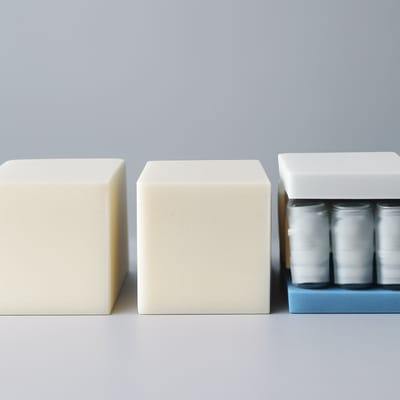
The umbrella term foam mattress covers several builds, and the differences are large enough to affect comfort, lifespan and value. At the simplest level, most mattresses in this category use one or more of these materials:
Polyfoam
This is the most common base foam. It appears in budget models, support cores and comfort layers. Quality depends heavily on density and how the layers are arranged. Lower-density polyfoam can feel fine in a showroom but may soften earlier with regular use.
Memory foam
Memory foam reacts to heat and pressure, which creates that close-hugging feel many people associate with body contouring. It can reduce pressure points well, especially for side sleepers, but some people find it slower to respond when changing position.
Latex foam
Latex can feel more lifted and resilient than memory foam. It usually offers easier movement across the surface and often sleeps cooler. People who dislike the "sinking in" sensation often prefer this category.
Hybrid construction
A hybrid mattress pairs foam or latex comfort layers with pocket springs. This often improves airflow, edge support and overall responsiveness. Couples sometimes like hybrids because they can balance cushioning and structure better than all-foam designs.
In practice, the right taxonomy is about solving sleep issues. Pressure relief, temperature, motion control and ease of movement all matter. Cooling performance, for example, becomes more important in warmer bedrooms, and gel-Infused Memory Foam: benefits and price range in Britain explains why gel additives can help without completely changing the classic memory-foam feel.
This is also where mattress labels and certifications deserve close attention. Understanding what British retailers actually disclose about materials, safety standards and foam quality is valuable enough to merit a dedicated guide of its own.
Which memory foam types should UK shoppers compare closely?
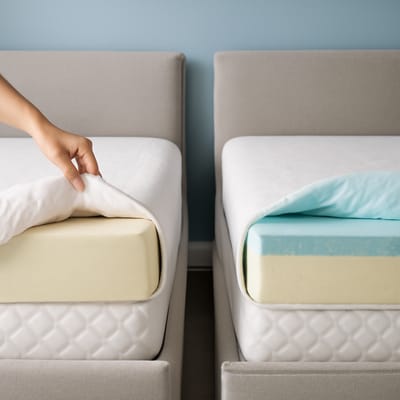
Not all memory foam mattresses feel alike. Two beds can both be sold as memory foam and still perform very differently because of layer thickness, density, additives and response speed.
Traditional memory foam
This is the classic contouring style. It usually gives the deepest cradle and strongest pressure relief. If you have prominent shoulders or hips, that can feel very comfortable. The trade-off is that traditional foams may retain more warmth and can feel slower when you move.
Open-cell or breathable memory foam
These versions are engineered to improve airflow. They still contour, but the structure aims to reduce trapped heat and speed up recovery slightly. For many UK homes, especially insulated bedrooms, this can be a worthwhile middle ground.
Gel-infused memory foam
Gel is added to help with cooling and temperature distribution. It does not turn memory foam into a cold-sleeping surface, but it can reduce some of the heat build-up people worry about. Cost varies, so comparing comfort claims with actual layer specifications is important.
Zoned or layered memory foam builds
Some mattresses combine different foam feels in separate layers or zones to support heavier areas of the body more effectively. This can be useful if you want pressure relief without losing alignment.
Marketing language often makes these differences sound bigger than they are, which is why common myths about memory foam deserve careful explanation for UK shoppers. It is also worth noting that memory Foam vs Latex vs Hybrid: UK buying guide becomes most helpful when you compare construction details rather than relying on the headline category alone.
A good rule is simple: look beyond the label and ask how the mattress handles pressure relief, support, cooling and movement together. That full combination affects nightly comfort far more than any single buzzword.
How do support, density and cooling affect real-world comfort?
A mattress can feel comfortable for ten minutes in a shop and still be wrong for your body after a full night. That is why support, density and cooling matter so much.
Support keeps your spine in better alignment
Support is not the same as firmness. A soft mattress can still be supportive if it keeps your body level. A firm mattress can feel uncomfortable if it creates pressure points. Side sleepers often need more cushioning at the shoulders and hips, while back and stomach sleepers usually need a flatter, more stable surface. For a deeper look at matching feel to posture, how to choose mattress firmness for different sleep positions in the UK breaks down the trade-offs clearly.
Density often signals durability and feel
In foam mattresses, density is a key quality clue. Higher-density foams usually feel more substantial and often last longer, though they may also feel warmer or slower to respond. Lower-density foams can be lighter and cheaper, but they may soften sooner under regular use. For budget-conscious shoppers, this is where value is won or lost.
Cooling is about design, not one magic feature
Breathable covers, open-cell foams, gel infusions and coil support systems can all help. So can your bed base, bedding and room temperature. People who sleep hot often do better with latex or hybrids, but some breathable memory foam designs perform well enough for many UK households.
If your shortlist includes lower-priced options, comparing models under £500 is especially useful because small specification differences can have an outsized effect on comfort and longevity. In other words, price matters, but construction quality matters more than price alone.
Which mattress type suits different sleep needs in the UK?
The best mattress type depends on how you sleep, how warm your bedroom gets and how much movement support you want when turning over.
For side sleepers
Memory foam often performs well because it cushions pressure points effectively. If you wake with sore shoulders or hips, contouring can be a major advantage. A softer-to-medium feel usually works better than a very firm surface.
For back sleepers
Both memory foam and hybrids can work well. The priority is steady lumbar support with enough cushioning to avoid a hard, flat feel. Zoned foam or hybrid models often perform strongly here.
For stomach sleepers
A mattress that is too soft can let the hips sink too much. Many stomach sleepers do better with firmer foam builds, latex or firmer hybrids that keep the torso more level.
For combination sleepers
Latex and hybrids tend to make movement easier because they respond faster than traditional memory foam. If you change position often at night, responsiveness can matter almost as much as pressure relief.
For couples and shared doubles
Motion isolation matters, but so does edge support and usable surface area. Hybrids can be a good compromise when one partner wants contouring and the other wants bounce.
For warmer bedrooms
Latex and hybrids often have the edge, though breathable memory foam can still work. Cooling fabrics, slatted bases and lighter duvets all play a role too.
A first-time buyer may want the safest all-round option, while a sleep enthusiast may compare layer maps and foam densities in detail. Both approaches are reasonable. The key is to match the mattress to your sleep needs, not to a trend or a showroom first impression.
When you are close to choosing, a retailer checklist for memory foam shopping in Britain becomes especially useful because trial periods, delivery setup and warranty terms can matter almost as much as the mattress itself.
What should be on your UK non-brand mattress buying checklist?
A strong UK mattress buying guide should help you filter options quickly without relying on brand names or vague promises. Start with a shortlist built around measurable factors.
Your practical checklist
- Choose the right size for your room, frame and sleeping habits
- Match firmness to sleep position rather than assuming firmer means better support
- Check the comfort layers and whether they use memory foam, latex or mixed foams
- Look for density details where available, especially in all-foam models
- Review cooling features such as open-cell foam, gel layers or breathable covers
- Check trial length and returns because in-home testing matters far more than a quick showroom lie-down
- Read care guidance and warranty terms before buying
For home furniture buyers planning a broader bedroom update, it also helps to think about bed bases, protector fit and bedroom airflow. Those details influence how a mattress performs over time.
Budget-conscious shoppers should pay close attention to where cost savings come from. A simpler cover is not a problem. Thin comfort layers and low-density foams can be. If you are watching spend, lower-priced memory foam mattresses under £500 deserve a closer comparison by material quality, not just headline discount.
Email updates from retailers can be worth using strategically too. Seasonal sales, clearance stock and bundle offers often shift final value, particularly on double mattresses. Just keep the checklist in front of you so promotions do not distract from essentials.
The most confident purchase usually comes from balancing comfort, durability, cooling, support and aftercare instead of chasing a single feature.
How can you extend mattress life and avoid early sagging?
Even a well-chosen mattress can lose comfort early if it is poorly supported or badly maintained. Care and longevity matter because foam materials respond to moisture, heat, body weight distribution and ventilation over time.
Simple habits that help
- Use the right bed base so the mattress is evenly supported
- Add a breathable protector to reduce spills, sweat and dust build-up
- Rotate the mattress if the manufacturer recommends it
- Let the bed air out regularly, especially in more humid rooms
- Follow cleaning guidance carefully and avoid soaking foam layers
In the UK climate, moisture management is especially important. Bedrooms can swing between cool damp conditions and well-heated, low-ventilation environments, and both can affect how fresh a mattress feels. If you want detailed upkeep advice, memory Foam Care: prolonging mattress life in the UK climate explains how to clean, air and protect foam properly.
Longevity also starts before you buy. Higher-density foams, better covers and stronger support cores often hold up better with regular use, particularly in a shared double bed. Sleep enthusiasts may compare technical build details closely, but even first-time buyers can make smarter decisions by checking care instructions before checkout.
Finally, do not ignore labels. Material disclosures, fire compliance information and other certifications can tell you a lot about what is actually inside the mattress and how it is likely to perform over time.
Frequently asked questions
Is memory foam or hybrid better for a first-time buyer?
For many first-time buyers, a hybrid is the easier all-round option because it often balances cushioning, airflow and ease of movement. Memory foam can be excellent if you want deeper pressure relief and do not mind a more contouring feel.
What is the best mattress type for budget-conscious UK shoppers?
The best value depends on construction, not just price. A well-built foam mattress with sensible density and a decent trial period can outperform a heavily discounted model with thin comfort layers.
Do sleep enthusiasts really need to compare foam density?
Yes, density is one of the clearest clues to feel and durability in foam designs. It is not the only factor, but it helps explain why two similar-looking mattresses can perform very differently over time.
Is latex always cooler than memory foam?
Latex often sleeps cooler because it is more breathable and responsive. Still, some open-cell and gel-infused memory foam mattresses perform well enough for many UK bedrooms.
Which mattress type is usually best for side sleepers?
Side sleepers often prefer memory foam or softer hybrids because they cushion the shoulders and hips more effectively. The goal is pressure relief without losing spinal alignment.
How long should a foam mattress last?
That depends on foam quality, density, body weight, usage and care. Better-built models with proper support and maintenance usually stay comfortable for longer than low-density budget options.
Should I buy based on a showroom test alone?
No. A short test can tell you about first impressions, but not how the mattress handles heat, movement and pressure over a full night. Trial periods and return policies are much more useful.
What matters most when choosing a double mattress in the UK?
Focus on size fit, support, motion control, cooling and long-term durability. For shared beds, edge support and usable sleep surface matter more than many shoppers expect.