Breadcrumb
Latest Articles
What should you know before buying a mattress in the UK?
Buying a new mattress can improve sleep, reduce aches, and make your bedroom feel more comfortable, but the number of options can quickly become overwhelming. In the UK, shoppers are choosing between foam, memory foam, hybrid, latex, and sprung designs, each with different strengths in pressure relief, cooling, responsiveness, and value.
At the broadest level, the best mattress is the one that fits your body, sleeping position, budget, and bedroom conditions. A first-time buyer may simply want a reliable mattress that feels comfortable from night one. A budget-conscious shopper may be looking for the strongest balance of lifespan and price. Sleep enthusiasts often want more detail on construction, support layers, and how different materials behave over time.
This cornerstone page gives you a practical overview of the mattress landscape so you can make sense of the category before narrowing your search. It covers the main mattress types, what affects comfort and durability, how prices vary, and what to compare before spending money. It also points you toward deeper guides where they are available, including types of Mattress, which breaks down the main categories in more detail.
If you are furnishing a main bedroom, guest room, or new home, the goal is the same: buy a mattress that supports you well and still feels like good value after months of use, not just during a quick test or sale period.
Which mattress types matter most, and how do they feel?
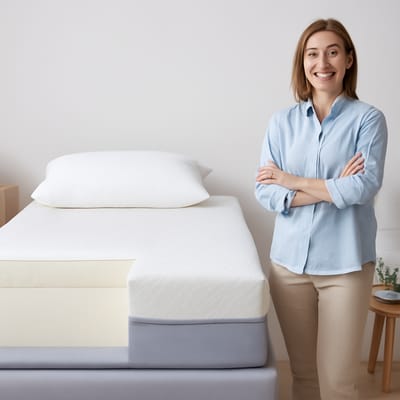
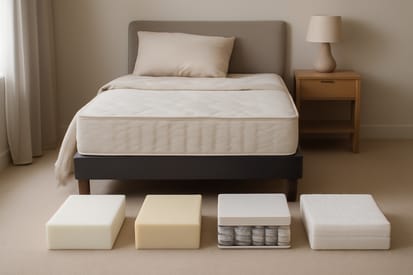
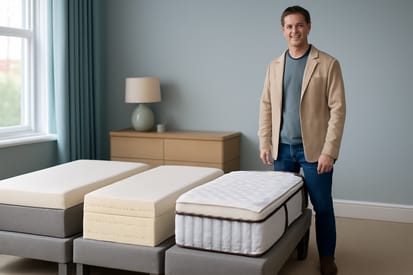
The mattress market is full of labels, but most choices come back to a few major constructions. Memory foam mattresses are known for contouring pressure relief and good motion isolation. Pocket sprung mattresses offer a more traditional supportive feel with bounce. Latex mattresses tend to feel breathable and responsive. Hybrid mattresses combine foam comfort layers with springs to create a more balanced middle ground.
Each type solves different sleep problems. Someone who wakes with sore shoulders may prefer a mattress with deeper pressure relief. Someone who overheats might be happier on a more breathable design. Couples often care about motion transfer, edge support, and whether both people can sleep comfortably despite different preferences.
A simple overview looks like this:
- Memory foam: contouring, quieter feel, strong pressure relief
- Pocket sprung: responsive support, familiar traditional feel
- Latex: springier surface, good airflow, easier movement
- Hybrid: blend of cushioning, airflow, and support
- All-foam: broad category with many comfort and price variations
For UK shoppers who want a fuller breakdown of these categories, types of Mattress is the next best place to explore. It is especially useful if you are still working out whether your priority is comfort, cooling, support, or overall value. Once you know what type of feel suits you, comparing individual mattresses becomes much easier.
How do support, firmness, and sleeping position affect comfort?
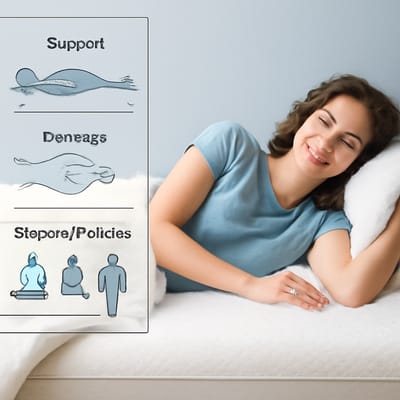
Comfort is personal, but it is not random. The way a mattress supports your body depends heavily on your sleeping position, your weight, and how much cushioning or lift you prefer. This is why one person can love a mattress that another person finds uncomfortable.
Side sleepers often need more give around the shoulders and hips to avoid pressure build-up. Back sleepers usually benefit from more balanced support through the middle of the body. Stomach sleepers often need a surface that prevents the hips from sinking too deeply. Combination sleepers may prefer a mattress that is easier to move on during the night.
Firmness labels help, but they are not universal. One company’s medium may feel softer or firmer than another’s. That is why mattress type and layer construction matter as much as the rating itself. A softer-feeling top layer can still sit over a supportive core, while a firm-feeling mattress can sometimes create pressure points if it lacks enough comfort material.
First-time buyers often get the best results by starting with their sleep position instead of chasing marketing language. Sleep enthusiasts may go further and compare density, spring design, and responsiveness. Both approaches are useful. The important point is to match the mattress to your body and habits rather than assuming a popular model will automatically suit you.
What should you compare for cooling, durability, and value?
Beyond initial comfort, long-term satisfaction often comes down to cooling, durability, and value for money. These are the areas where many mattress purchases succeed or fail after the first few months.
Cooling matters if your bedroom runs warm or you naturally sleep hot. Dense contouring materials can trap more heat, while more breathable constructions may feel fresher through the night. Durability matters because a mattress that softens or sags too quickly can lose support well before you expected. Value matters because price alone does not tell you whether the mattress is a smart buy.
When comparing options, focus on practical indicators:
- Material quality and transparency
- Trial period and return policy
- Warranty terms and likely lifespan
- Temperature management in your room conditions
- Support retention over daily use
Budget-conscious shoppers often benefit most from avoiding the very cheapest end of the market if the construction looks thin or vague. Many find better long-term value in solid mid-range options. Home furniture buyers furnishing more than one room may also want different mattresses for different uses, such as a durable everyday bed and a simpler guest-room choice. Looking at price in the context of usage is usually more useful than comparing sale percentages alone.
How should UK shoppers approach mattress sizes, care, and buying checks?
Even the best mattress type can disappoint if you overlook the practical details. In the UK, mattress size, room layout, care requirements, and delivery access all affect whether a purchase works well in everyday life.
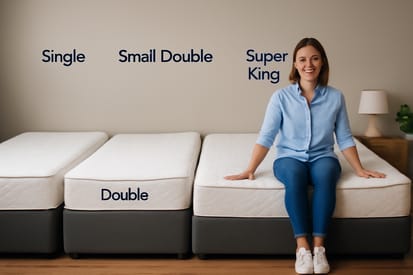
Check that the mattress matches your bed frame and leaves enough room to move comfortably around the bedroom. This matters even more if you are choosing between standard UK sizes and models influenced by non-UK sizing conventions. Bedroom temperature and ventilation also matter, especially with denser foam constructions.
Before buying, it helps to review:
- Exact mattress dimensions
- Delivery format and stair access
- Trial period length and return process
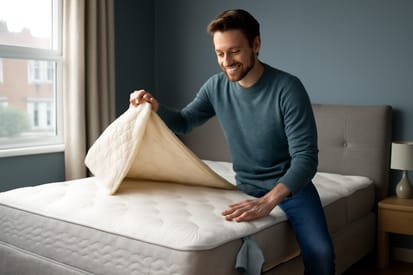
- Rotation or care guidance
- How the mattress suits your main sleep complaint
Many related topics deserve closer attention before you make a final choice. These include memory foam versus latex versus hybrid buying decisions, gel-infused memory foam benefits and price ranges in Britain, how to choose mattress firmness for different sleep positions in the UK, UK mattress sizes and dimensions, and memory foam care in the UK climate. Those narrower guides can answer the questions that often come up once you have already decided on a general mattress type.
If you are still broadening your search, types of Mattress offers the clearest next step for comparing the main constructions side by side.
How can you narrow down the right mattress without overcomplicating it?
The easiest way to choose a mattress is to work backwards from your main problem. If you wake with pressure discomfort, lean toward mattress types known for cushioning relief. If you overheat, move breathable designs higher up your list. If you share a bed and notice every movement, prioritise motion isolation and stable support.
A simple decision process can look like this:
Start with your sleep habits
Think about position, movement, and whether you sleep warm.
Set a realistic budget
Aim for value across several years, not just the lowest upfront cost.
Match the mattress type to the problem
Pressure relief, cooling, bounce, and edge support each point toward different constructions.
Check the ownership details
Trial periods, returns, warranty terms, and care guidance matter more than they seem.
Read deeper guides only where needed
Once you know your likely mattress category, more specific comparisons become much easier to use.
For first-time buyers, this approach prevents information overload. For budget-conscious shoppers, it reduces the risk of paying for features that do not solve a real problem. For sleep enthusiasts, it creates a clear framework before diving into more technical comparisons. In most cases, the best mattress choice becomes clearer once you stop searching for a perfect universal answer and start focusing on your own sleep priorities.
Frequently asked questions about mattresses
What is the best type of mattress for first-time buyers?
There is no single best type for everyone, but first-time buyers often do well with a mid-range memory foam, pocket sprung, or hybrid mattress. These categories are widely available and cover a broad range of comfort preferences. A solid trial period can make the decision less risky.
Which mattresses usually offer the best value for budget-conscious shoppers?
Budget-conscious shoppers often get the best value from well-made mid-range mattresses rather than the very cheapest options. Good support, clear materials, and a fair return policy often matter more than headline discounts. A mattress that lasts longer can be cheaper overall, even if it costs a bit more upfront.
Why do sleep enthusiasts compare mattress materials so closely?
Sleep enthusiasts know that material choices can affect heat retention, pressure relief, movement, and long-term durability. Small differences in construction can create noticeable changes in feel and support. That is why they often look beyond brand claims and compare the build in more detail.
How often should a mattress be replaced?
It depends on the material quality, how often the mattress is used, and whether it still supports you comfortably. Many mattresses last several years, but sagging, discomfort, or visible wear are signs it may be time to replace one. A mattress that no longer supports your normal sleeping position is unlikely to improve with age.
Are expensive mattresses always better?
Not always. Higher prices can reflect better materials and more refined construction, but not every premium feature will matter to every sleeper. The better buy is the one that solves your needs and stays comfortable over time.
Which mattresses are best for hot sleepers?
More breathable constructions such as latex, pocket sprung, and many hybrid mattresses often work better for hot sleepers than dense traditional memory foam. Cooling covers and open-cell materials can also help. The full design matters more than one cooling claim on the label.
What should I compare before choosing a mattress?
Compare mattress type, firmness, cooling, support, motion isolation, edge support, size, return policy, and expected lifespan. Then weigh those features against your sleep position and budget. That gives you a much clearer picture than comparing promotions alone.
Where should I start if I am overwhelmed by mattress choices?
Start by narrowing the field to mattress type, because that removes a large part of the confusion. Once you know whether you prefer foam, sprung, latex, or hybrid constructions, the rest of the buying process becomes more manageable. A broad comparison page such as types of Mattress is a useful next step.