Memory Foam Care: Longer Mattress Life in the UK
Breadcrumb
Why does memory foam care matter more in the UK climate?
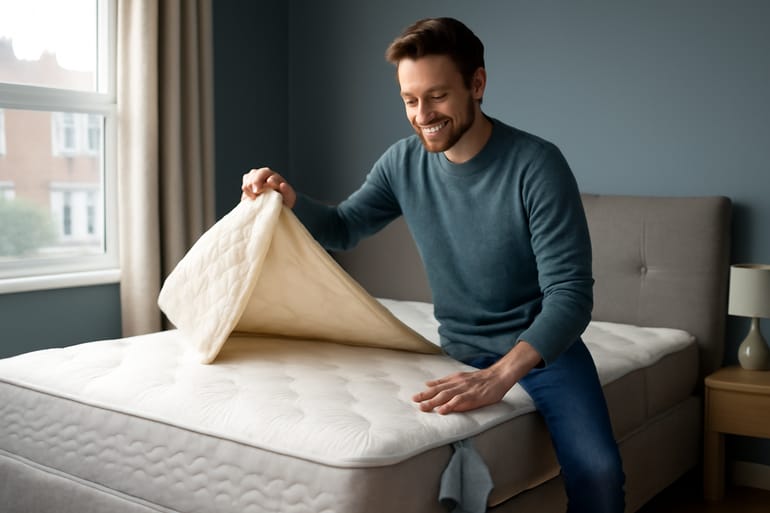
Memory foam care has a direct impact on comfort, hygiene, and how long your mattress keeps its shape. In the UK, that matters even more because homes often deal with cooler temperatures, damp air, and seasonal swings in humidity. Those conditions can affect how memory foam feels from night to night, and they can also speed up wear if your mattress is poorly supported or not aired out properly.
A well-cared-for memory foam mattress should offer steady pressure relief and motion control for years. A neglected one can start to feel uneven, trap odours, or soften in the wrong places far sooner than expected. That is frustrating for anyone, but especially for first-time buyers who want reassurance they made the right choice, and for budget-conscious shoppers who need every pound to stretch further.
Good care starts with a few basics:
- Use a breathable mattress protector.
- Keep the bed on a suitable, supportive base.
- Manage bedroom moisture and airflow.
- Clean spills quickly without soaking the foam.
- Follow the maker's care instructions for rotation and use.
If you are still deciding whether memory foam suits your room temperature and sleep preferences, memory Foam vs Latex vs Hybrid: UK buying guide gives useful context. Once you understand the material, caring for it becomes much simpler and more effective.
How should you protect memory foam from moisture, mould, and wear?
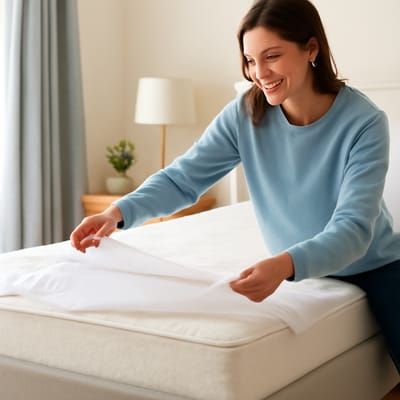
The biggest threat in many UK bedrooms is not dramatic damage. It is slow, hidden build-up from humidity, sweat, condensation, and restricted airflow. Memory foam does not like being saturated, and once moisture gets deep into the layers, it can be difficult to dry fully. That can lead to musty smells, surface staining, and in some cases mould risk around the cover or base.
To reduce that risk, focus on prevention:
Keep airflow moving
Place the mattress on a ventilated slatted base or another foundation approved by the manufacturer. Avoid leaving it directly on the floor, where damp can gather underneath.
Use the right protector
Choose a water-resistant but breathable protector. A fully plastic feel may block airflow and make the bed sleep hotter.
Air the bed regularly
Pull back the duvet in the morning for 20 to 30 minutes. This helps moisture evaporate instead of sinking into the cover.
Watch the room environment
In colder months, condensation can build up in under-heated bedrooms. A dehumidifier or more regular ventilation can help.
Sleep enthusiasts often pay attention to foam density and feel, but room conditions matter nearly as much. Cooling features can also affect upkeep, and gel-Infused Memory Foam: benefits and price range in Britain explains how that material differs in everyday use. Protecting your mattress from damp and heat build-up is one of the easiest ways to prolong its lifespan.
What is the safest way to clean a memory foam mattress?
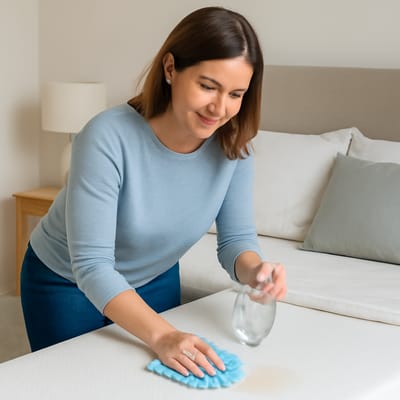
Cleaning memory foam requires a light touch. The goal is to remove dirt, sweat, and stains without overwetting the foam. Too much water can soak into the core, linger for days, and weaken the material over time.
Start with routine care
Vacuum the mattress surface every few weeks using a soft upholstery attachment. This lifts dust, skin flakes, and debris without damaging the cover.
Spot-clean stains carefully
For fresh spills, blot immediately with a dry towel. Do not rub, because that pushes liquid deeper. Then use a small amount of mild soap diluted in water on a cloth, dabbing only the affected area.
Avoid harsh products
Skip bleach, strong solvent cleaners, and heavy sprays. These can damage foam structure or leave residues that irritate skin.
Dry thoroughly before remaking the bed
Open windows, use a fan, and give the mattress time to dry fully. Never put bedding back on a damp surface.
A few things to avoid are just as important:
- Do not steam-clean unless the maker explicitly allows it.
- Do not soak the mattress.
- Do not use excessive baking soda repeatedly on damp foam.
- Do not fold or bend dense memory foam unnecessarily.
For home furniture buyers comparing long-term upkeep, this is where care affects value. A mattress that is easy to maintain can be the smarter purchase even if the upfront cost is slightly higher.
Should you rotate memory foam, and what support does it need?
Many people assume all mattresses should be flipped or rotated the same way, but memory foam mattresses need model-specific care. Most modern all-foam designs are one-sided, so they should not be flipped. Some should be rotated head to toe every few months, especially during the first year, while others need less intervention. Always check the label or care guide first.
Proper support matters just as much as rotation. If the base sags, flexes too much, or has slats spaced too widely, the foam may dip prematurely. That can lead to uneven pressure relief and the feeling that the mattress has worn out before its time.
Signs your setup needs attention
- A visible dip that does not recover
- Edge collapse near your usual sitting spot
- New aches despite the mattress still being relatively new
- A creaking or bowed bed base
Body weight, sleeping style, and firmness also affect wear patterns. Side sleepers often compress comfort layers differently from back or stomach sleepers, which is why how to choose mattress firmness for different sleep positions in the UK is a helpful companion read.
First-time buyers sometimes focus on the mattress alone and overlook the base. Budget-conscious shoppers do this too when trying to cut costs. In practice, pairing decent foam with poor support often shortens mattress life more than choosing a slightly cheaper foam model with the right foundation.
How can you make memory foam last longer without overspending?
Extending mattress life does not require expensive maintenance. It comes down to consistent habits that protect performance and reduce avoidable strain. For UK shoppers trying to get strong value, that is good news.
Smart habits that improve longevity
- Keep the mattress covered with a washable protector.
- Rotate it if the manufacturer recommends it.
- Sit on the edge less often to reduce compression.
- Vacuum and air it out regularly.
- Check your base once or twice a year for sagging.
- Tackle spills and damp patches immediately.
Know when replacement is still the right choice
Even excellent care cannot fix deep body impressions, lasting odours inside the core, or support loss that affects sleep quality. If the mattress no longer feels comfortable despite proper maintenance, it may be time to compare materials and price bands rather than keep trying to rescue it.
That is often where comparison content helps. For some rooms, sleepers, and budgets, latex or hybrid construction may prove easier to live with over the long term, and memory Foam vs Latex vs Hybrid: UK buying guide breaks down those trade-offs clearly. Size can influence wear too, especially if two people share a smaller bed, so uK Mattress Sizes and Dimensions Guide: Single to Super King is worth consulting before your next purchase.
If you want the best value, think beyond the sale price. Longevity, support, cleanability, and room conditions all shape the real cost of ownership.
Frequently asked questions about memory foam care
How often should you clean a memory foam mattress?
Light vacuuming every few weeks is usually enough for routine care, while spot-cleaning should happen as soon as spills or stains appear. A washable protector reduces how often the mattress itself needs deeper attention.
Is memory foam harder to care for in damp UK homes?
It can be, especially in rooms with poor ventilation or condensation. The key is to improve airflow, avoid trapping moisture under the mattress, and use a breathable protector rather than a fully sealed cover.
What should first-time buyers do to keep a new memory foam mattress in good condition?
Start with the basics: a proper base, a breathable protector, and regular airing in the morning. First-time buyers should also keep the care label, since rotation advice varies by model.
Can budget-conscious shoppers extend mattress life without buying extra products?
Yes. The most cost-effective steps are airing the bed daily, cleaning spills quickly, checking the base for sagging, and rotating the mattress if recommended. A protector helps a lot, but everyday habits matter just as much.
Do sleep enthusiasts need to care differently for high-density memory foam?
High-density foam may feel more durable, but it still benefits from the same core routine: ventilation, gentle cleaning, and proper support. The difference is that denser foam can take longer to dry if it gets wet, so avoiding over-cleaning is even more important.
Should you flip a memory foam mattress?
Usually no, because most memory foam mattresses are built as one-sided designs with a comfort layer on top. Some can be rotated head to toe, but flipping them may damage comfort and support.
How do you know if your memory foam mattress needs replacing instead of cleaning?
If it has lasting body impressions, persistent odours deep in the foam, or reduced support that causes discomfort, cleaning alone will not solve the problem. At that point, replacement is often the more practical option.
Does mattress size affect how long memory foam lasts?
Yes, especially when two sleepers share a smaller mattress and compress the same zones every night. Choosing the right dimensions can spread wear more evenly and improve comfort over time.