Types of Mattress: UK Buying Guide for 2026
Breadcrumb
What are the main types of mattress available in the UK?
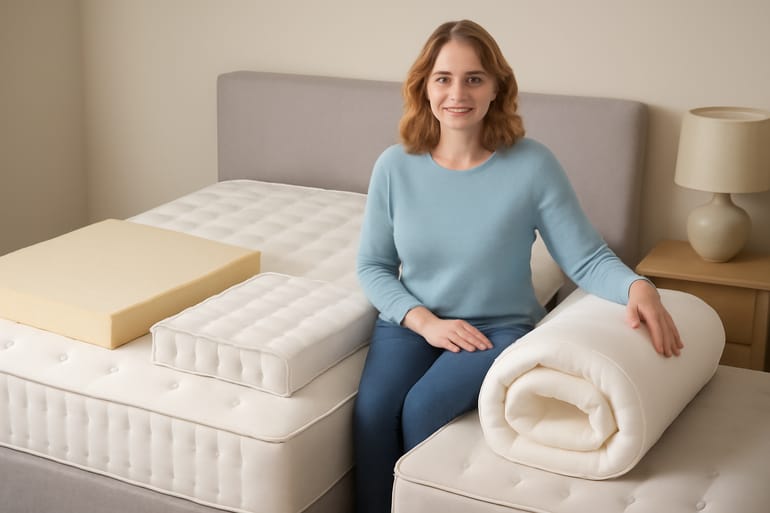
Choosing between the main types of mattress can feel harder than it should. In the UK market, shoppers are faced with foam, memory foam, hybrid, latex, pocket sprung, and other specialist builds that often sound similar in product descriptions but feel very different in real life. If you are replacing an ageing bed, furnishing a first home, or trying to solve ongoing sleep discomfort, the key is understanding what each mattress type is actually designed to do.
At the broadest level, mattress categories differ in how they balance comfort, support, temperature control, motion isolation, bounce, and durability. A memory foam mattress may contour closely around your body. A hybrid usually blends springs with foam for a more balanced feel. Traditional sprung designs often deliver a more familiar, responsive surface. Latex and specialist foams can add breathability or a more buoyant sleep experience.
For first-time buyers, the biggest challenge is often translating marketing claims into something practical. Budget-conscious shoppers usually need to balance price against long-term durability. Sleep enthusiasts may care more about construction details such as layer depth, responsiveness, pressure relief, and spinal alignment.
This guide gives you a broad UK-focused overview so you can narrow the field quickly. Once you know which category fits your priorities, comparing individual mattresses becomes far more manageable and far less confusing.
How do foam, memory foam, sprung, latex, and hybrid mattresses differ?
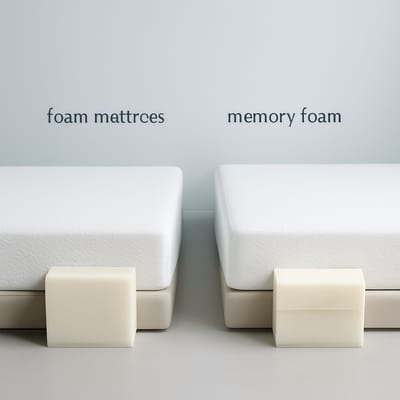
Each mattress type has its own feel and typical strengths.
Foam and memory foam
Foam mattresses use synthetic foam layers for support and comfort. Memory foam is a specific kind of foam designed to contour in response to pressure and heat. It often suits people who want pressure relief and lower motion transfer, but some versions can feel warmer or slower to respond.
Pocket sprung and open coil
Sprung mattresses use metal coils for support. Pocket sprung designs usually provide better contouring and motion separation than open coil mattresses because each spring moves more independently. These models often feel more breathable and responsive than all-foam designs.
Latex
Latex mattresses usually feel springier and more breathable than memory foam. They tend to suit sleepers who want cushioning without a deep sink-in sensation. They can be durable, but price is often higher.
Hybrid
Hybrid mattresses combine springs with foam or latex comfort layers. This can create a useful middle ground with good support, airflow, and pressure relief. Many UK shoppers shortlist hybrids when they want more than one benefit at once.
No mattress type is universally best. Side sleepers may prefer cushioning from foam or softer hybrids. Back sleepers often like balanced support from hybrids or firmer sprung builds. Front sleepers usually need a flatter, firmer surface to keep the hips from dropping too low.
Which mattress type is best for comfort, support, and temperature?
The best mattress type depends on the problem you are trying to solve.
If your main issue is pressure relief, memory foam and some softer hybrids are often strong options. They can cushion the shoulders and hips more effectively than firmer sprung mattresses. If you want easier movement and a more lifted feel, latex or a responsive hybrid may be more comfortable.
If support is your top concern, focus less on the label and more on the overall build. A well-made hybrid or pocket sprung mattress can provide excellent support, but so can a dense foam design with the right firmness. For many sleepers, support means keeping the spine in a neutral position rather than simply choosing the firmest mattress available.
Temperature matters too. Foam can sometimes trap more heat, while sprung and hybrid designs usually allow more airflow. Latex also tends to sleep cooler than traditional memory foam. In many UK homes, bedroom temperature changes across the year, so breathable construction can improve comfort in both warm and mild conditions.
A useful way to compare categories is to rank your priorities:
- Pressure relief
- Cooling
- Ease of movement
- Edge support
- Motion isolation
- Budget
That shortlist method works especially well for budget-conscious shoppers who want to spend carefully and for sleep enthusiasts who want to compare performance rather than marketing language.
What should you compare before buying a mattress in the UK?
Once you know the mattress category you prefer, the buying decision becomes much more practical. UK shoppers should compare more than feel alone.
Key factors include:
- Firmness matched to sleep position and body weight
- Mattress size based on room space and sleeping needs
- Materials and layer depth for comfort and durability
- Trial period for real at-home testing
- Warranty terms for long-term reassurance
- Delivery and returns including access and collection details
- Price range relative to build quality
First-time buyers often benefit from keeping the shortlist simple. A medium or medium-firm option in a trusted mattress category is usually easier to judge than chasing extremes. Home furniture buyers planning a whole-room setup may also need to think about bed frame compatibility, height, and delivery timing.
For budget-conscious shoppers, value matters more than headline discounts. A cheaper mattress that loses support early may cost more in the long run. Sleep enthusiasts may want to go deeper into density, spring count, zoning, and temperature regulation.
It also helps to think ahead. Mattress firmness for different sleep positions, UK mattress sizes, and long-term care are all part of the same decision. The best purchase is one that fits your room, your sleep style, and how long you expect the mattress to last.
How do price, durability, and long-term value vary by mattress type?
Price differences between mattress types usually reflect materials, construction, and expected lifespan. In broad terms, open coil mattresses are often among the most affordable, memory foam can range from budget to mid-market, hybrids usually sit in the middle to premium end, and latex often commands a higher price.
That said, price alone does not define value. A budget mattress may be perfectly reasonable for a guest room, occasional use, or a temporary living setup. For a main bedroom, long-term comfort and support usually matter more than getting the lowest possible price.
Durability often depends on build quality within the category:
- Better foams tend to resist sagging for longer
- Stronger spring units usually maintain support better
- Higher-quality covers and edge support can improve day-to-day use
- Clear warranties often signal more confidence in construction
For first-time buyers, it helps to think in years rather than just purchase price. For budget-conscious shoppers, the best deal is often the mattress that stays comfortable the longest within a sensible price band. Sleep enthusiasts may want to compare the finer details of layer composition and support design, especially if they are investing in a mattress for nightly use over many years.
This is also where specialist topics become useful. Comparisons such as memory foam vs latex vs hybrid, cooling-focused foam designs, and mattress care in the UK climate can all shape how much value you get after the mattress arrives.
How can you narrow the right mattress type for your sleep style?
A simple decision framework can make the whole category easier to navigate.
Choose foam or memory foam if you want:
- Close contouring and pressure relief
- Lower motion transfer for shared beds
- A quieter, less bouncy feel
Choose pocket sprung if you want:
- Traditional support with better airflow
- More bounce and easier movement
- A familiar mattress feel
Choose latex if you want:
- Breathability with gentle cushioning
- A buoyant, responsive surface
- Less sink than classic memory foam
Choose hybrid if you want:
- Balanced comfort and support
- Better airflow than many all-foam builds
- Versatility across different sleep styles
This broad guide is designed to help you understand the category before diving into narrower topics. Once you know where you are leaning, more detailed comparisons become much easier to use. You may then want to explore questions such as how gel-infused memory foam changes heat retention, how firmness should vary by sleep position, or how UK size choices affect comfort in smaller bedrooms.
If you are still uncertain, focus on your non-negotiables. Most people do better when they choose around two or three top priorities rather than trying to optimise every feature at once. That approach leads to a shorter shortlist and a much more confident purchase.
Frequently asked questions
What are the most common types of mattress in the UK?
The most common types include memory foam, foam, pocket sprung, open coil, latex, and hybrid mattresses. Each one offers a different balance of comfort, support, cooling, and bounce. The right choice depends on your sleep style and budget.
Which mattress type is best for first-time buyers?
First-time buyers often do well with a medium or medium-firm mattress in a widely available category such as memory foam, pocket sprung, or hybrid. These are easier to compare and usually suit a broad range of sleepers. Trial periods are especially helpful if you are still learning your preferences.
What mattress type usually offers the best value for budget-conscious shoppers?
Budget-conscious shoppers often find good value in simpler foam or sprung mattresses, depending on build quality. The best option is not always the cheapest one, but the one that provides reliable support for the longest time. Return terms and warranties can make a big difference to value.
What do sleep enthusiasts look for when comparing mattress types?
Sleep enthusiasts often compare responsiveness, pressure relief, cooling, edge support, motion isolation, and internal construction. They may also look at foam density, spring design, and zoning. Those details explain performance more clearly than brand-style marketing language.
Are hybrid mattresses better than memory foam?
Hybrid mattresses are not automatically better, but they often offer a broader mix of airflow, support, and responsiveness. Memory foam usually performs better for deep contouring and motion isolation. The better choice depends on whether you prioritise pressure relief or a more balanced feel.
Which mattress type sleeps coolest?
Latex, pocket sprung, and many hybrid mattresses usually sleep cooler than traditional dense memory foam. Airflow, cover fabric, and bedroom conditions also affect temperature. A mattress label alone does not tell the full story.
How long should a mattress last?
Lifespan varies by construction quality, usage, body weight, and care. Better-made mattresses tend to hold support and comfort longer than lower-cost models. Checking materials and warranty terms gives you a better guide than price alone.
What should I check before ordering a mattress online in the UK?
Check the mattress type, firmness, size, materials, trial period, delivery setup, return policy, and warranty. These details affect both comfort and convenience after purchase. Clear specifications usually indicate a more trustworthy listing.