Foam & Memory Foam Mattress Types: UK Guide 2026
Breadcrumb
What should you know about foam and memory foam mattresses in the UK?
Foam and memory foam mattress types cover a wider range of feels, support levels, and price points than many UK shoppers expect. Some mattresses are built for deep contouring pressure relief, while others focus on cooler sleep, faster response, or a firmer, more stable surface. If you are shopping for your main bedroom, replacing a guest bed, or buying your first mattress after moving home, understanding the key foam categories makes the process much easier.
At the centre of the category is memory foam, a material designed to respond to heat and pressure so it contours around your body. Around it sits a broader family of foam mattresses that may use polyfoam support cores, comfort foams, gel-infused layers, latex-like responsive foams, or combinations of foam and springs. That means two mattresses described as "foam" can feel completely different in real use.
This guide gives you a practical overview of how these mattress types work, what they do well, where their limits show up, and how to compare them as a UK buyer. You will also see how density, firmness, thickness, size, trial periods, warranties, and delivery terms affect overall value.
For a more focused side-by-side comparison, memory Foam vs Latex vs Hybrid: UK buying guide breaks down three of the most commonly shortlisted options. That deeper comparison is useful once you know the basics and want to narrow your choice with more confidence.
What is memory foam, and how does it differ from other foam mattresses?
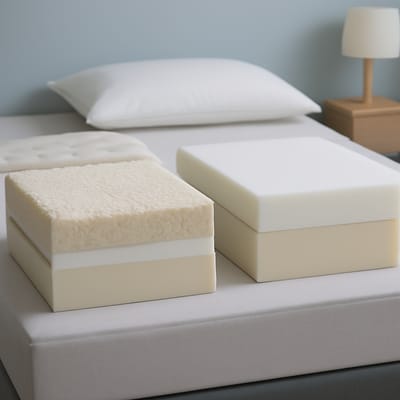
A memory foam mattress uses viscoelastic foam in its comfort layers. In simple terms, that means the surface compresses under weight and heat, then slowly returns to shape when pressure is removed. The result is the close, cushioning feel many people want for pressure relief around the shoulders, hips, and lower back.
Other foam mattress materials can behave quite differently. Standard polyurethane foam is often used as a support core or budget comfort layer. High-resilience foam tends to feel springier and quicker to respond. Gel-infused memory foam is designed to address one of the most common complaints about traditional memory foam: heat retention. Latex, while often discussed in the same buying journey, has a more buoyant and breathable feel than classic memory foam.
This is why material labels matter, but full construction matters more. A mattress may contain a thin memory foam top layer and still feel relatively firm if the layers underneath are dense and supportive. Another may use multiple comfort layers and produce a much deeper sink. Sleep enthusiasts often compare layer thickness and density because those details reveal more than the headline description.
For first-time buyers, the easiest way to think about it is this: memory foam specialises in contouring, while other foam builds may lean more toward bounce, airflow, or price efficiency. The right choice depends on whether you want a mattress that hugs the body or one that feels more lifted and responsive.
What are the main benefits and limitations of memory foam?
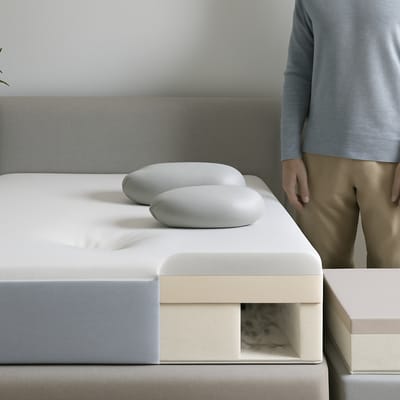
The biggest reason people choose memory foam is comfort. It can reduce pressure build-up, absorb movement well, and create a more cradled sleeping surface. If you share a bed, motion isolation is often a major benefit because one person turning over is less likely to disturb the other.
Common strengths include:
- Pressure relief for shoulders and hips
- Good motion isolation for couples
- Quiet sleep surface with little bounce
- Wide price range across UK retailers
- Comfort options from soft to firm
However, memory foam also has trade-offs. Some sleepers find it too warm, especially on dense all-foam models with less breathable covers. Others dislike the slower response because it can make repositioning harder. If you prefer a mattress with more bounce or a more on-top-of-the-bed feel, classic memory foam may not be ideal.
Budget-conscious shoppers should also remember that lower prices can mean compromises in foam quality, edge support, and durability. A cheap foam mattress may feel comfortable for a short trial period but lose support earlier than expected. On the other hand, paying more does not automatically guarantee better sleep if the firmness and construction do not suit your body.
As you compare options, think about your real pain points. Do you wake with shoulder pressure, overheat at night, or feel your partner moving? Those day-to-day issues often point you toward the right material faster than any sales description. Topics such as gel-infused memory foam and sleep-position-based firmness choices are especially useful once you identify what is bothering you most.
How should you compare density, firmness, and mattress thickness?
These three factors shape how a foam mattress feels and how long it is likely to hold up.
Density
Foam density affects support and durability more than shoppers often realise. Higher-density foams generally feel more substantial and can resist premature sagging better, though they may also retain more heat depending on design. Lower-density foams can reduce cost, but the trade-off may show up in lifespan and support consistency.
Firmness
Firmness is about feel, not just quality. Side sleepers often need more cushioning around the shoulders and hips. Back sleepers usually benefit from balanced support that keeps the spine aligned. Front sleepers tend to need a firmer surface to limit hip sink. A separate look at choosing firmness for different sleep positions can help if you are between two levels.
Thickness
Mattress thickness changes the way layers work together. A thicker mattress may offer deeper comfort layers and stronger support transitions, but only if the materials are well chosen. More height alone does not guarantee better performance.
A simple comparison checklist helps:
- Match firmness to sleep position
- Check density for likely durability
- Review total thickness and layer depth
- Look at edge support and cover breathability
- Compare trial length and warranty terms
For first-time buyers, these details can seem technical, but they are often the clearest signs of real value. Sleep enthusiasts may want to go further into layer-by-layer construction, while budget-conscious shoppers can use these basics to filter out weak options without overspending.
How do foam, latex, and hybrid mattresses compare in real buying decisions?
Many UK shoppers start with memory foam, then realise they also need to compare latex and hybrid mattresses before deciding. That is smart, because comfort alone is only one part of the buying decision.
In broad terms, memory foam offers the deepest contouring and best motion isolation. Latex usually feels cooler, springier, and easier to move on. Hybrid mattresses use springs under foam comfort layers, so they often provide better airflow, stronger edges, and a more balanced feel overall.
In day-to-day use, that means:
- Memory foam often suits sleepers who want close body contouring
- Latex can appeal to those who dislike feeling "stuck"
- Hybrid designs often suit couples, mixed sleep positions, and shoppers wanting more support
Price also matters. Memory foam often provides the lowest entry point, latex is frequently the most expensive, and hybrids range from mid-market to premium depending on build quality. If you are trying to balance comfort, cooling, support, and long-term value, memory Foam vs Latex vs Hybrid: UK buying guide walks through those differences in more detail.
This is also where future buying questions come into play. UK mattress sizes, long-term care in a damp climate, and the differences between standard and gel-infused memory foam all affect whether a mattress remains comfortable over time. A good mattress choice is not just about how it feels on day one. It is about how it fits your room, sleep style, and maintenance habits.
What should UK buyers check before choosing a foam mattress?
A good UK mattress buying guide should go beyond material names. The smartest buyers compare the entire purchase, not just the showroom feel.
Start with the basics:
- Size: Make sure the mattress fits your bed frame and sleeping needs
- Trial period: Check how long you can test it at home
- Warranty: Look for clear, realistic coverage terms
- Delivery: Confirm whether it arrives boxed or with room-of-choice setup
- Returns: Understand collection fees or return conditions
- Price: Compare the mattress against build quality, not discounts alone
UK shoppers should also think about use case. A main bedroom mattress should usually justify a higher standard than a guest room bed. Someone furnishing a first flat may prioritise value and flexibility. A home furniture buyer upgrading several rooms may care more about consistency across sizes and delivery logistics.
Climate and room setup matter too. Foam mattresses can react differently depending on airflow, room temperature, and bedding choices. Care practices also affect lifespan, especially if the mattress is used nightly. Rotating where recommended, using a supportive base, and protecting the cover can all help preserve comfort.
If you are comparing listings online, shortlist models with transparent specs, not vague promises. Clear information on density, firmness, layer depth, and materials is usually a better sign than flashy sales language. That simple filter helps you find stronger options faster and makes retailer comparisons much more meaningful.
Frequently asked questions
What is the difference between a foam mattress and a memory foam mattress?
A foam mattress is a broad category that includes several foam materials and constructions. A memory foam mattress specifically uses viscoelastic foam designed to contour more closely around the body. In practice, memory foam is one type of foam mattress rather than a separate category altogether.
Is memory foam a good choice for first-time buyers?
Memory foam can be a strong option for first-time buyers because it is widely available and often easy to compare across price points. It is especially appealing if you want pressure relief and lower motion transfer. The key is choosing the right firmness and checking trial terms before buying.
Which foam mattress type is best for budget-conscious shoppers?
Budget-conscious shoppers often start with memory foam because entry prices are usually lower than latex. The best value comes from balancing price with foam quality, durability, and return terms. A low upfront cost is only worthwhile if the mattress keeps its support over time.
What do sleep enthusiasts usually compare in foam mattresses?
Sleep enthusiasts often compare density, layer thickness, responsiveness, cooling features, motion isolation, and edge support. Those details give a more accurate picture than firmness alone. They also help explain why two mattresses with similar labels can perform very differently.
Are foam mattresses too hot for UK homes?
Some foam mattresses can retain more heat, especially dense memory foam models with limited airflow. However, cover design, room temperature, bedding, and foam construction all influence sleeping temperature. Gel-infused foam and hybrid-style builds may help if overheating is a concern.
How long should a good foam or memory foam mattress last?
Lifespan depends on material quality, nightly use, body weight, and support from the bed base. Better-built mattresses generally maintain comfort and support for longer than entry-level models. Warranty length can help, but construction quality is still the more important signal.
Should I choose memory foam, latex, or hybrid?
That depends on what you value most. Memory foam suits sleepers wanting contouring and motion isolation, latex suits those wanting bounce and breathability, and hybrids often offer a balanced middle ground. Comparing all three is often the best next step when your shortlist is still broad.
What should I check before ordering a mattress online in the UK?
Check the size, firmness, materials, trial period, delivery method, warranty, and return policy. These details affect both comfort and value after purchase. A mattress with transparent specifications is usually easier to judge than one relying on broad marketing claims.