Memory Foam vs Latex vs Hybrid: UK Guide 2026
Breadcrumb
Home > mattresses > types of Mattress > foam
What should UK shoppers know before comparing these mattress types?
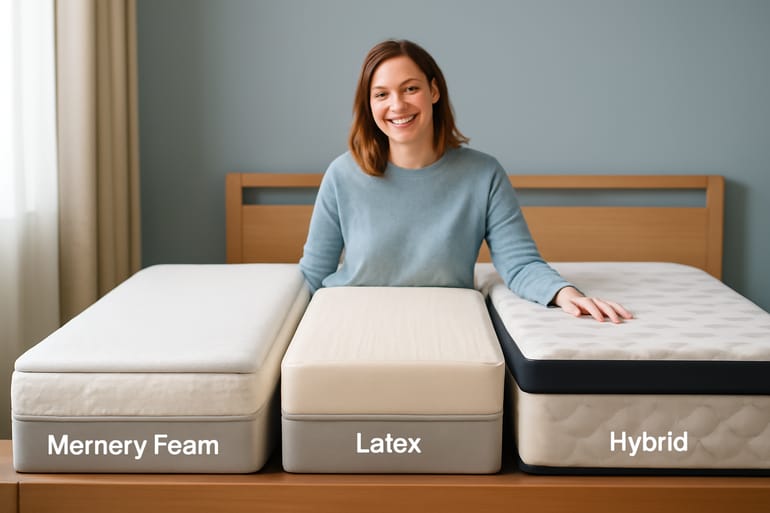
Memory foam vs latex vs hybrid is one of the most useful comparisons you can make before buying a new mattress in the UK. These three options can feel completely different in terms of pressure relief, bounce, temperature control, edge support, and overall value. If you are replacing an old bed, furnishing a first flat, or upgrading your main bedroom, understanding those differences helps you avoid an expensive mistake.
At a basic level, memory foam is known for body-contouring comfort and motion isolation. Latex tends to feel more responsive, breathable, and buoyant. Hybrid mattresses combine foam comfort layers with springs, aiming to balance cushioning with support and airflow. None is automatically the best choice for every sleeper. The right pick depends on your sleep position, body weight, heat sensitivity, budget, and how much "sink-in" feeling you actually enjoy.
For first-time buyers, the main challenge is often decoding mattress language such as density, firmness, and support layers. Budget-conscious shoppers may be weighing lower upfront cost against long-term durability. Sleep enthusiasts often care more about finer points like pressure mapping, responsiveness, and how materials affect spinal alignment.
In the UK market, it also helps to compare trial periods, delivery terms, warranties, and available standard sizes. A mattress that sounds perfect on paper can still be poor value if the return process is awkward or the build quality is weak.
How does memory foam feel, and who is it best for?
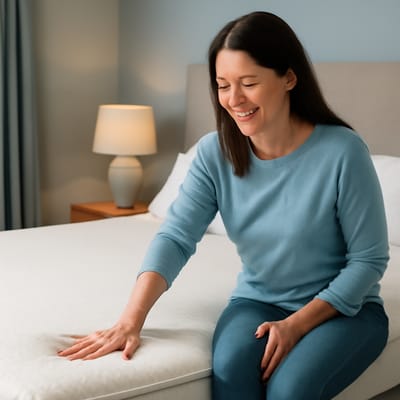
A memory foam mattress responds to your body heat and weight, then slowly contours around pressure points. That creates the classic close-hug sensation many people associate with foam beds. For side sleepers especially, this can feel very comfortable because the surface cushions the shoulders and hips while supporting the waist.
The biggest strength of memory foam is pressure relief. It also performs well for motion isolation, which matters if you share a bed with a restless partner. In many UK homes, that quieter feel can make a noticeable difference. Memory foam can also suit people who prefer a less "springy" surface and want a stable, cocooned feel.
Its limitations are just as important. Some models retain more heat than latex or hybrids, especially if the foam is dense and the cover is less breathable. Others can feel slower to respond when you change position. If you dislike the sensation of sinking in, memory foam may feel restrictive rather than relaxing.
When comparing options, look closely at:
- Foam density for durability and support
- Firmness level matched to your sleep position
- Thickness of comfort layers for contouring depth
- Cover breathability for temperature management
- Trial length and warranty for buying confidence
For many budget-conscious shoppers, memory foam offers a strong value entry point. You can often find decent comfort at a lower price than natural latex, though cheaper models may trade away longevity, cooling, or edge support.
Why do some sleepers prefer latex over memory foam?
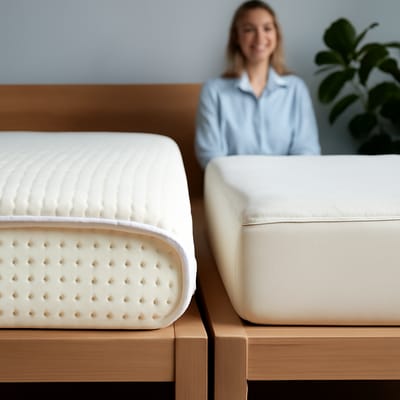
A latex mattress usually feels more lifted and responsive than memory foam. Instead of allowing a deep body imprint, latex gently cushions while pushing back faster. That creates a buoyant surface many sleepers describe as easier to move on. If you change position often at night, this responsiveness can be a major advantage.
Latex also tends to sleep cooler. Its structure allows better airflow, and many models avoid the heat-trapping feel that some dense foams can produce. In the UK, where bedrooms can shift between damp winters and surprisingly warm summer nights, breathable materials can improve year-round comfort.
Key benefits of latex often include:
- Responsive support with less sink
- Better airflow than many all-foam builds
- Good durability in well-made designs
- Gentle pressure relief without a stuck feeling
- Useful edge stability compared with softer foams
The main trade-off is price. Latex mattresses are often more expensive, especially when the latex content is high. That can make them harder to justify for a guest room or a temporary move. Some sleepers also simply prefer the slower, deeper contour of memory foam and find latex too lively.
For sleep enthusiasts who pay attention to material performance, latex is often appealing because it combines comfort with resilience. It can also work well for combination sleepers who want cushioning without losing mobility. Still, product descriptions matter. A mattress labeled latex may use only a thin latex layer over other foams, so checking the build is essential before you buy.
Are hybrid mattresses the most balanced choice in the UK?
A hybrid mattress combines foam comfort layers with a spring support core. In practice, that usually means you get more bounce, stronger airflow, and better edge support than a typical all-foam model, while still keeping some of the pressure relief people want from foam. For many UK mattress shoppers, that balance is exactly the point.
Hybrids often suit couples, back sleepers, and heavier individuals who want a mattress that feels supportive rather than enveloping. The spring base can make getting in and out of bed easier, and the extra airflow is helpful if you sleep warm. Many hybrids also perform well in shared beds because they reduce excessive sink while keeping a comfortable top layer.
That said, not all hybrids are equal. Some use thin comfort layers that feel firmer than expected. Others include plush foam on top but weaker springs underneath, which can affect long-term support. Build quality matters more than the label itself.
When judging a hybrid, pay attention to:
- Spring count and type
- Depth of foam comfort layers
- Edge reinforcement
- Overall mattress height
- Weight limits and durability claims
First-time buyers often choose hybrids because they seem like a safe middle ground. That can be true, but only if the mattress matches your body and sleep style. A well-designed hybrid can be versatile, while a poorly designed one may feel like a compromise that never fully satisfies either support or comfort needs.
How do comfort, support, price, and durability compare?
The easiest way to compare memory foam vs latex vs hybrid is to focus on the buying factors that affect daily use, not just marketing language.
Comfort and feel
- Memory foam: Deep contouring, close body hug, excellent pressure relief
- Latex: Springier, more lifted, easier movement
- Hybrid: Balanced feel with cushioning plus pushback
Temperature control
- Memory foam: Usually warmest, though cooling versions exist
- Latex: Often the most breathable foam-based option
- Hybrid: Usually cooler than all-foam thanks to airflow through springs
Support and movement
- Memory foam: Great for motion isolation, less responsive
- Latex: Responsive and supportive, good for combination sleepers
- Hybrid: Strong support, easier repositioning, often better edges
Typical UK price expectations
- Memory foam: Often the most accessible entry price
- Latex: Commonly the most expensive
- Hybrid: Mid-range to premium depending on spring design and materials
Durability
A well-made latex mattress can last very well, while good hybrids can also offer strong longevity if the spring unit is robust. Memory foam durability varies more widely, especially in cheaper models.
If your priority is low partner disturbance, memory foam is often compelling. If breathability and responsiveness matter most, latex stands out. If you want a broader mix of pressure relief, support, and airflow, hybrid is often the practical shortlist option.
Before buying, compare the full package: delivery, returns, warranty length, and whether the mattress comes compressed in a box or via room-of-choice delivery. Those details can affect value almost as much as the materials.
Which mattress type should you choose for your sleep style and budget?
The best choice depends on how you sleep and what trade-offs you are willing to make.
Choose memory foam if you want:
- Strong pressure relief for shoulders and hips
- Better motion isolation for couples
- A quieter, less bouncy sleep surface
- Lower entry pricing in many UK ranges
Choose latex if you want:
- A cooler, more breathable feel
- Faster response when changing position
- Durable materials with a buoyant surface
- Less of the classic sink-in sensation
Choose hybrid if you want:
- A middle ground between cushioning and support
- Better edge support and airflow
- Easier movement across the bed
- Broad suitability for mixed sleep positions
Side sleepers often lean toward memory foam or softer hybrids. Back sleepers may prefer medium-firm latex or hybrids with stable support. Front sleepers usually need enough firmness to stop the hips dipping too far.
For budget-conscious shoppers, the smartest move is not always buying the cheapest mattress. A low-cost memory foam bed may feel appealing now, but a better-built hybrid or foam model can offer better support retention over time. Sleep enthusiasts may also want to compare firmness, foam density, and layer thickness in more detail before deciding. UK size planning matters too, because comfort can change depending on whether you are buying a single, double, king, or super king.
If you are narrowing down options, shortlist three models with clear specifications, a realistic trial period, and transparent warranty terms. That usually leads to a better decision than chasing the biggest discount.
Frequently asked questions
Is memory foam, latex, or hybrid best for side sleepers in the UK?
Side sleepers often prefer memory foam for pressure relief around the shoulders and hips. Softer hybrids can also work well if you want more airflow and easier movement. Latex suits side sleepers who prefer a more lifted, less hugging feel.
Which mattress type is usually best for first-time buyers?
First-time buyers often do well with a medium or medium-firm mattress in either memory foam or hybrid construction. The safest choice depends on whether you prefer contouring comfort or a more balanced feel. Trial periods are especially important when you have not tested many mattress types before.
What is the most budget-friendly option?
Memory foam is often the most affordable starting point in the UK market. However, the cheapest model is not always the best value if durability is poor. Comparing warranty length, foam density, and return terms can help budget-conscious shoppers spend more wisely.
Is latex worth the higher price?
Latex can be worth the extra cost if you want better breathability, a responsive feel, and strong durability. Many sleepers find it more comfortable in warmer conditions or if they dislike deep sink. The higher price makes more sense when the mattress will be used every night for years.
Are hybrid mattresses better for couples?
Hybrid mattresses can be a strong choice for couples because they often combine support, airflow, and decent motion control. If one partner moves a lot, look for a hybrid with thicker foam comfort layers. Edge support is also useful if both of you use the full width of the bed.
Which mattress type sleeps coolest?
Latex is often the coolest of the three, followed closely by many hybrids with breathable spring cores. Memory foam can sleep warmer, although cooling foams and ventilated covers help. If temperature regulation matters to you, check the full construction rather than relying on the label alone.
How long should these mattress types last?
A good memory foam mattress may last several years, while well-made latex and hybrid models can sometimes maintain performance for longer. Lifespan depends on material quality, body weight, and how often the mattress is used. A clear warranty can provide extra reassurance, but it does not replace solid construction.
What should sleep enthusiasts compare beyond firmness?
Sleep enthusiasts should compare foam density, layer thickness, spring design, edge support, and temperature control features. Responsiveness and motion isolation also matter, especially if you share a bed. Looking beyond firmness gives you a more accurate idea of how the mattress will perform night after night.