Memory Foam vs Latex vs Hybrid: UK Guide 2026
Breadcrumb
What should UK shoppers know before comparing these mattress types?
Memory foam, latex, and hybrid mattresses can all feel comfortable at first, but they solve different problems. If you are shopping in the UK, the real decision usually comes down to pressure relief, temperature control, support style, and what you want your mattress to feel like after months or years of use.
Memory foam is known for its close contouring and motion isolation. Latex tends to feel springier, cooler, and easier to move on. Hybrid models combine foam comfort layers with springs, giving you a more balanced feel with stronger edge support and airflow. That means the best option is not universal. A first-time buyer may want a simple way to narrow the field, while a sleep enthusiast may care more about foam density, responsiveness, and layer design.
For many UK mattress shoppers, price also shapes the choice. Memory foam often gives the most cushioning for the money, latex can cost more upfront, and hybrids cover a wide spread from budget to premium. Room size matters too, especially if you are choosing a double for a smaller bedroom. If sizing is still part of your decision, uK Mattress Sizes and Dimensions Guide: Single to Super King helps you match mattress type to available space.
A smart comparison is less about hype and more about fit. Once you understand how each construction handles support, heat, movement, and cost, choosing becomes much easier.
How do memory foam, latex, and hybrid mattresses actually differ?
Memory foam
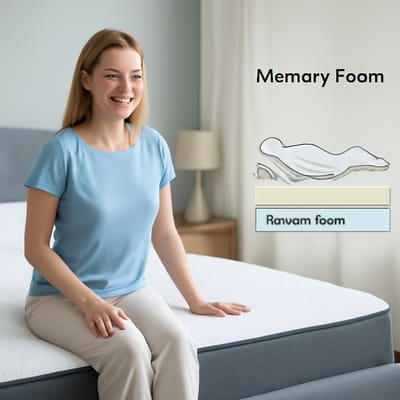
Memory foam mattresses respond slowly and mould around your body. That creates a hugged feeling that many side sleepers and people with pressure-point pain find comfortable. They also reduce partner disturbance well. The downside is that some models can trap heat and feel harder to reposition on. If cooling is a concern, gel-infused memory foam: benefits and price range in Britain explains where gel layers help and where expectations should stay realistic.
Latex
Latex mattresses feel more buoyant and responsive. Instead of sinking in deeply, you feel lifted and supported. They are often chosen by shoppers who dislike the slow-moving feel of memory foam. Latex also tends to sleep cooler and can be a strong option for combination sleepers who change position through the night.
Hybrid
Hybrid mattresses pair comfort foams or latex-like layers with springs. This gives a mix of contouring and structure. In practical terms, you usually get better airflow, more noticeable edge support, and a familiar mattress feel that suits a wide range of sleepers.
Quick comparison
| Type | Feel | Cooling | Motion isolation | Ease of movement | Typical UK price |
|---|---|---|---|---|---|
| Memory foam | Deep contouring | Fair to good | Excellent | Moderate to low | Low to mid |
| Latex | Responsive, buoyant | Good to excellent | Good | High | Mid to premium |
| Hybrid | Balanced, supportive | Good | Good to very good | Good | Budget to premium |
The right choice depends on which trade-offs matter most to you.
Which mattress type is best for support, pressure relief, and sleep position?
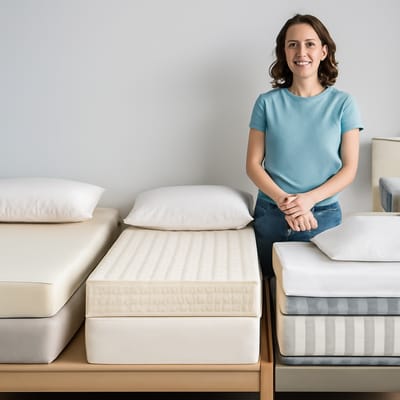
Support is not just about firmness. It is about how well the mattress keeps your spine aligned while still relieving pressure at the shoulders, hips, and lower back. Memory foam usually excels at pressure relief, especially for side sleepers. Latex often offers more even pushback, which can suit back sleepers and people who want support without a deep sink. Hybrid mattresses work well when you want a middle ground.
Your sleep position should guide the choice more than marketing labels. Side sleepers often prefer softer comfort layers that cushion joints. Back sleepers usually need a balanced medium to medium-firm feel. Stomach sleepers often benefit from firmer support to reduce hip sink. Couples may also lean toward hybrid or memory foam because both can reduce motion better than older open-coil designs.
If you are stuck between constructions, firmness may be the real issue rather than material alone. That is why how to choose mattress firmness for different sleep positions in the UK is useful alongside this comparison.
A budget-conscious shopper might get excellent value from a well-made memory foam model with sensible density and a medium feel. A sleep enthusiast, however, may notice the difference between a dense contouring foam bed and a more responsive latex or hybrid setup. The goal is simple: choose the construction that supports your body shape, sleep posture, and movement habits rather than chasing the most expensive option.
What should you expect for cooling, durability, and maintenance in the UK?
Heat retention and longevity are two of the biggest pain points in mattress buying. Memory foam can retain more warmth than latex or hybrid builds, particularly in rooms that already sleep warm. Newer foams often improve airflow, but the feel is still usually closer and less breezy than spring-based designs. Latex generally stays cooler because it is more breathable and responsive. Hybrids also tend to manage temperature well thanks to the spring core.
Durability depends heavily on build quality. Dense foams and well-made latex layers usually outlast cheaper low-density comfort layers. A budget mattress that feels great for a few minutes in a showroom may soften earlier than expected if the internal materials are weak. For that reason, looking beyond the cover and marketing terms matters.
Maintenance affects lifespan more than many shoppers realise. Rotating the mattress when recommended, using a supportive base, and keeping moisture under control are all useful in the UK climate. If you want practical upkeep advice, memory foam care: prolonging mattress life in the UK climate explains how to reduce premature wear.
As a rule, memory foam is strong on comfort and motion control, latex is strong on resilience and cooling, and hybrid is strong on balance. If your main concern is sleeping hot, latex and hybrid usually have the edge. If your main concern is pressure relief and partner disturbance, memory foam remains a strong contender.
How can you choose the right UK mattress without overpaying?
A good buying decision starts with a short checklist rather than endless browsing. Focus on sleep position, temperature preference, budget, room size, and whether you sleep alone or with a partner. That quickly narrows the field.
A simple UK buying checklist
- Choose your preferred feel: contouring, buoyant, or balanced.
- Match firmness to your sleep position and body weight.
- Check mattress height and support if you share the bed.
- Compare trial periods, delivery terms, and return policies.
- Look at materials, not just brand-style claims or showroom comfort.
- Set a realistic budget for long-term use, not just the initial offer.
For first-time buyers, hybrid models often feel easiest to adapt to because they blend familiarity with modern comfort. For budget-conscious shoppers, memory foam usually offers the widest value range. For shoppers upgrading from an older spring mattress, latex can be a smart choice if you want a cooler, more responsive sleep surface and are comfortable paying more upfront.
In the UK market, double mattresses are a common comparison point, but the best value is not always the cheapest model on the page. A slightly better construction with stronger support layers can save money over time by lasting longer and feeling better night after night. Use this guide to narrow your material choice first, then compare retailers, trial periods, and final delivered price.
FAQ
Is memory foam, latex, or hybrid better for first-time buyers in the UK?
For many first-time buyers, a hybrid mattress feels the easiest to get used to because it balances cushioning with familiar spring support. Memory foam is also a good starting point if you want strong pressure relief and motion isolation. Latex suits buyers who already know they dislike a sinking feel.
Which mattress type is usually cheapest in the UK?
Memory foam is often the most affordable entry point, especially in standard UK double sizes. Hybrid mattresses sit across a wide price range, while latex is usually the most expensive upfront. The better value depends on how long the mattress keeps its comfort and support.
What is the best mattress type for side sleepers?
Side sleepers often do well with memory foam because it cushions the shoulders and hips. Softer-to-medium hybrids can also work well if they include enough pressure relief in the top layers. The key is proper alignment, not just choosing the softest bed.
Are latex mattresses cooler than memory foam?
Yes, latex mattresses generally sleep cooler than traditional memory foam. They are more breathable and more responsive, so you feel less surrounded by the mattress. Hybrids also tend to stay cooler because air can move through the spring unit.
Is a hybrid mattress worth it for couples?
Often, yes. Hybrid mattresses can offer a useful mix of motion control, support, and edge stability, which helps when two people share a bed. They are especially appealing if one partner likes cushioning and the other wants stronger structure.
How long do memory foam, latex, and hybrid mattresses last?
Latex often has the strongest reputation for long-term resilience, while good hybrid and memory foam models can also last well if the materials are solid. Lifespan depends on foam density, layer quality, body weight, and care. Cheaper constructions tend to lose comfort sooner.
Which mattress type should a budget-conscious shopper choose?
A well-made memory foam mattress is often the best place to start for tighter budgets. It can deliver good comfort and pressure relief without the higher entry cost of latex. Just check trial terms, support depth, and overall build quality before buying.
Do sleep enthusiasts really notice the difference between these materials?
Usually, yes. Sleep enthusiasts often notice how quickly latex responds, how closely memory foam contours, and how balanced a hybrid feels under movement. Those differences can matter a lot if you are sensitive to temperature, pressure relief, or ease of changing position.